


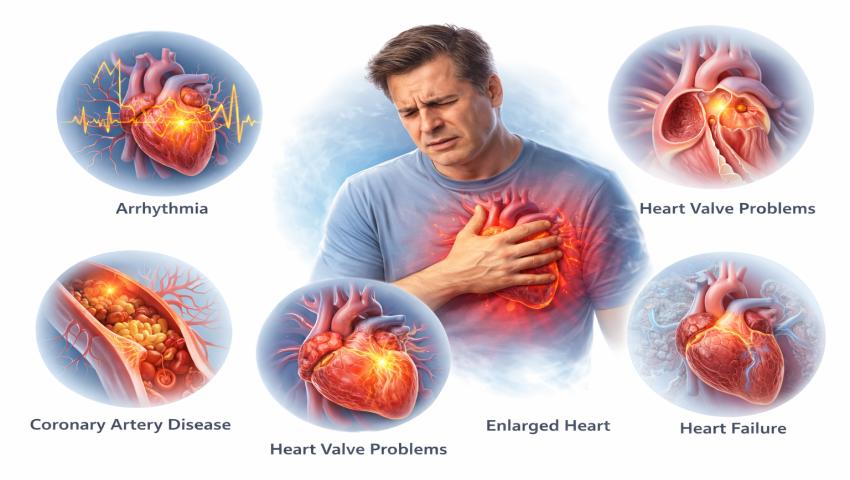
Heart disease is often associated with strong warning signs like severe chest pain or sudden collapse. But in reality, many heart problems begin quietly and develop slowly without noticeable symptoms. Because of this, people may continue their normal routine while a heart condition silently progresses in the background.
Patients frequently ask Dr. Kartik Bhosale, the best cardiologist in Pune, whether heart disease can exist without obvious symptoms. The answer is yes. Several heart conditions may remain hidden for months or even years before they are detected.
These are known as silent heart problems. They may not cause pain initially, but if left untreated, they can lead to serious complications like a heart attack, stroke, or heart failure. Understanding these silent conditions can help you take timely action and protect your heart health.
What Are Silent Heart Conditions?
Silent heart conditions are cardiovascular problems that do not show clear symptoms in the early stages. A person may feel completely healthy even though the heart is gradually being affected.
These conditions are often discovered only when a person undergoes a routine health check-up or heart screening tests, such as:
- ECG (Electrocardiogram)
- 2D Echocardiography
- Stress Test (TMT)
- Holter Monitoring
Regular screening by an experienced Heart Specialist in Pune can help detect hidden heart issues before they become life-threatening.
1. Silent Heart Attack:
A heart attack is usually associated with intense chest pain. However, not every heart attack causes dramatic symptoms. Some heart attacks occur with very mild signs or no noticeable symptoms at all. This is called a silent heart attack.
Many people mistake the symptoms for fatigue, indigestion, or muscle discomfort.
Common mild signs may include:
- unusual tiredness
- mild chest pressure
- shortness of breath
- sweating or nausea
- discomfort in the back, jaw, or arms
Because these symptoms appear mild, people often ignore them. The condition may only be detected later through an ECG or heart scan.
According to Dr. Kartik Bhosale, Heart Doctor in Pune, silent heart attacks are more common in individuals with diabetes because nerve damage may reduce pain signals from the heart.
2. Silent High Blood Pressure:
High blood pressure is widely known as the “silent killer.” Most people with high blood pressure do not experience symptoms until the condition becomes severe.
Over time, uncontrolled blood pressure puts excessive strain on the heart and blood vessels. This increases the risk of several serious complications, such as:
- heart attack
- stroke
- heart failure
- kidney damage
Because it does not produce early symptoms, many people discover high blood pressure only during a routine medical check-up.
Regular monitoring and lifestyle changes are essential to keep blood pressure under control and protect heart health.
3. Early Coronary Artery Disease:
Coronary artery disease occurs when cholesterol and fatty deposits slowly build up inside the arteries that supply blood to the heart. This buildup forms plaques that gradually narrow the arteries.
In the early stages, this condition may not cause noticeable symptoms. A person may feel completely normal even though the blood supply to the heart is slowly reducing.
As the blockage increases, symptoms may eventually appear, such as:
- chest discomfort
- shortness of breath during physical activity
- fatigue while climbing stairs or walking
Early diagnosis is important because untreated coronary artery disease can eventually lead to a heart attack.
Consulting an experienced Interventional Cardiologist in Pune can help identify early artery blockages through advanced diagnostic tests.
4. Hidden Heart Rhythm Problems (Arrhythmia):
The heart normally beats in a regular and coordinated rhythm. This rhythm is controlled by electrical signals that travel through the heart.
Sometimes these signals become irregular, causing the heart to beat too fast, too slow, or irregularly. This condition is called arrhythmia.
Certain arrhythmias do not cause obvious symptoms and may go unnoticed for a long time. Some people may occasionally feel:
- fluttering in the chest
- skipped heartbeats
- brief dizziness
- mild palpitations
Because these sensations may occur rarely, many people ignore them.
Tests such as Holter monitoring help detect hidden rhythm abnormalities that may not appear during a short ECG test.
5. Early Heart Valve Problems:
Heart valves control the direction of blood flow inside the heart. When these valves do not open or close properly, it can affect how blood circulates through the body.
In the early stages, heart valve problems may not cause noticeable symptoms. Over time, however, the heart has to work harder to pump blood.
As the condition progresses, symptoms may include:
- Fatigue
- Breathlessness during activity
- swelling in the legs or ankles
- irregular heartbeat
A 2D Echocardiography test is commonly used to detect valve problems and evaluate heart function.
Who Is at Higher Risk for Silent Heart Problems?
Certain risk factors increase the chances of developing silent heart conditions. These include lifestyle habits, existing health conditions, and genetic factors.
Common risk factors include:
- high blood pressure
- diabetes
- high cholesterol levels
- smoking
- obesity
- sedentary lifestyle
- family history of heart disease
People with these risk factors should undergo regular heart evaluations by a Heart Specialist in Pune to detect potential problems early.
Why Regular Heart Check-Ups Are Important?
Silent heart conditions often develop gradually and may remain unnoticed until they become severe. Routine heart screening helps detect these problems before they lead to major complications.
Regular heart check-ups can help:
- Identify hidden heart conditions.
- Monitor blood pressure and cholesterol.
- Detect early artery blockages.
- prevent heart attack and stroke
- maintain long-term heart health
Early detection and proper medical guidance from Dr. Kartik Bhosale, the best cardiologist in Pune, can significantly reduce the risk of serious heart disease.
Simple Lifestyle Habits to Protect Your Heart:
Maintaining a healthy lifestyle plays a major role in preventing heart disease. Even small changes in daily habits can greatly improve heart health.
Some important steps include:
- eating a balanced and heart-healthy diet
- exercising regularly
- maintaining a healthy body weight
- managing stress levels
- avoiding smoking
- limiting alcohol consumption
- getting regular medical check-ups
These habits help keep the heart strong and reduce the chances of developing silent heart problems.
Conclusion:
Many heart conditions develop quietly without obvious symptoms. Problems such as a silent heart attack, high blood pressure, coronary artery disease, arrhythmia, and valve disorders can slowly damage the heart if they remain undetected.
Because these conditions often show minimal warning signs, regular heart screening becomes extremely important.
If you have risk factors such as diabetes, high blood pressure, or a family history of heart disease, consulting an experienced Heart Doctor in Pune can help identify problems early and prevent serious complications.
With timely diagnosis and expert care from Dr. Kartik Bhosale, patients can receive the right treatment and maintain long-term heart health.