


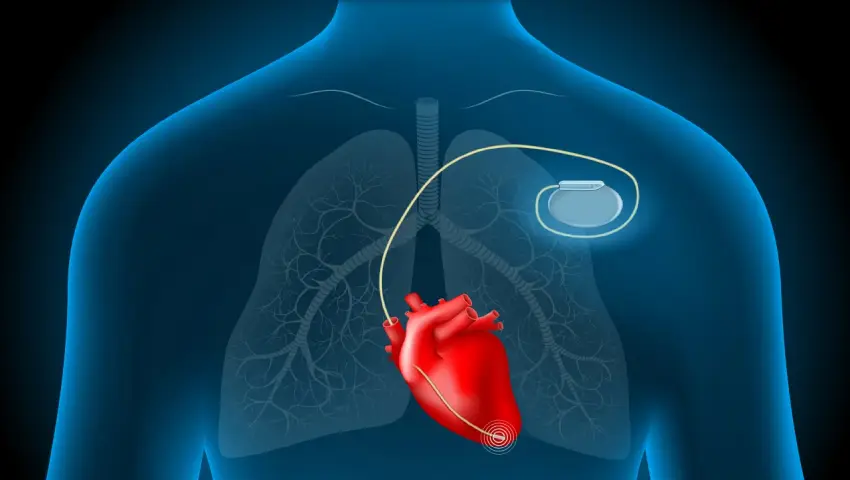
A pacemaker is a small device placed under the skin near the collarbone. It helps the heart beat regularly and safely. For patients with slow or irregular heartbeats, pacemaker surgery is life-changing. But what happens after the surgery? Let’s understand how to take care of your heart and live a healthy life.
Initial Recovery After Pacemaker Surgery:
Dr. Kartik Bhosale, a leading cardiologist in Pune, explains that recovery is smooth if patients follow a few simple steps:
What to Do (The Do’s):
- Rest and Gentle Movement: Take rest, but avoid lying down all day. Short walks help with blood flow.
- Incision Care: Keep the wound clean and dry. Follow your doctor’s advice.
- Pain Relief: Mild pain is normal. Use prescribed medicines. Avoid aspirin unless advised.
- Follow-Up Visits: Regular check-ups with Dr. Kartik Bhosale are important to monitor your pacemaker.
- Driving: Avoid driving for a few weeks. Start only after your doctor allows.
- Positive Mindset: Stay calm and confident. Healing improves with a good attitude.
What to Avoid (The Don’ts):
- Heavy Lifting: Don’t lift anything heavier than 10 kg.
- Arm Movements: Avoid raising the arm (on the pacemaker side) above shoulder level.
- Electronic Devices: Keep mobile phones and magnets away from the pacemaker.
- Ignoring Symptoms: If you feel dizzy, weak, or have chest pain, contact Dr. Kartik Bhosale immediately.
- Driving Too Soon: Wait for clearance before driving.
Long-Term Lifestyle Tips:
After recovery, most patients return to normal life. Dr. Kartik Bhosale shares these tips for long-term heart health:
- Eat Healthy: Include fruits, vegetables, and whole grains in your diet.
- Stay Hydrated: Drink enough water daily.
- Exercise Safely: Start with light activities. Avoid contact sports or heavy workouts.
- Manage Stress: Try yoga, meditation, or nature walks.
- Inform Doctors: Always tell your dentist or other doctors about your pacemaker.
- Avoid Strong Magnets: Stay away from large speakers or industrial machines.
- Carry Your Pacemaker Card: Useful during travel or emergencies.
- Battery Check: Pacemaker batteries last 8–10 years. Dr. Kartik Bhosale will monitor and replace them when needed.
Pacemaker Surgery in Pune, Ravet, and Baner:
If you’re looking for Pacemaker Surgery in Pune, Dr. Kartik Bhosale is one of the most trusted names. He offers expert care, advanced technology, and patient-friendly guidance. Whether it’s Pacemaker Implantation in Pune or long-term heart care, Dr. Kartik Bhosale ensures every patient feels safe and supported.
Conclusion:
Life after pacemaker surgery can be smooth and fulfilling when patients follow the right steps. With proper care, regular follow-ups, and a healthy lifestyle, most people return to their normal routines. Dr. Kartik Bhosale, one of the best cardiologists in Pune, Ravet, and Baner, advises patients to stay informed, stay active, and stay connected with their heart care team. Whether you’ve had a pacemaker implantation in Pune or are planning one, expert guidance makes all the difference.
Common FAQ:
Recovery usually takes 4 to 6 weeks. Most patients can resume light activities within a few days and return to normal life after a few weeks.
Yes. With proper care and regular check-ups, patients can enjoy a full and active life.
Avoid heavy lifting, raising your arm above shoulder level (on the pacemaker side), and exposure to strong magnets or electronic interference.
Driving is usually allowed after 2–3 weeks, depending on your recovery. Dr. Kartik Bhosale will guide you based on your condition.
Regular follow-ups are essential. Dr. Kartik Bhosale recommends check-ups every few months to monitor pacemaker function and battery life.
Pacemaker batteries last around 8–10 years. Your doctor will monitor it and schedule a replacement procedure when needed.
Yes. Dr. Kartik Bhosale offers expert pacemaker surgery in Baner, Ravet, and other parts of Pune with advanced care and modern facilities.