


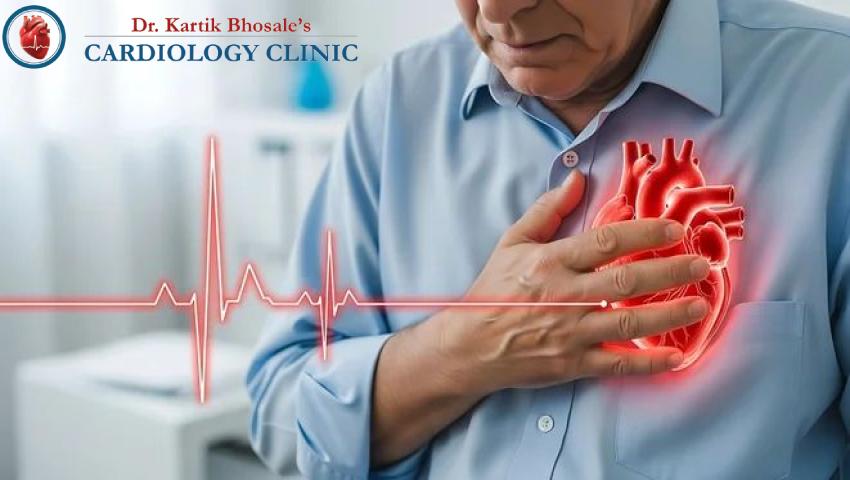
Chest pain is one of the most alarming symptoms a person can experience. For many patients, the first test advised is an ECG. When the ECG report comes back normal, there is often a sense of relief followed by confusion if the chest pain continues. This raises a common and important question: Can a heart problem still exist even if the ECG is normal?
The short answer is yes. A normal ECG does not always rule out heart disease. Understanding why this happens and which tests truly identify the real cause is essential for timely diagnosis and treatment.
Why a Normal ECG Does Not Always Mean a Healthy Heart?
An ECG records the electrical activity of the heart at a specific moment in time. It is excellent for detecting:
- Heart rhythm problems
- Ongoing heart attacks
- Past major heart damage
However, many heart-related conditions do not cause continuous electrical changes. If the problem is intermittent or occurs only during exertion or stress, the ECG done at rest may appear completely normal.
This is why patients with genuine cardiac issues can still have a normal ECG, especially in the early stages of disease.
Common Causes of Chest Pain With Normal ECG:
Chest pain is not always due to a heart attack. Some common causes include:
- Early or partial blockage in the heart arteries
- Reduced blood flow during exertion (ischemia)
- Heart valve problems
- Stress or anxiety-related chest tightness
- Gastric or musculoskeletal causes
Distinguishing between these requires targeted cardiac testing, not just an ECG.
Tests That Actually Detect the Real Problem:
When chest pain persists despite a normal ECG, a step-by-step diagnostic approach is needed. As a cardiologist in Pune, Dr. Kartik Bhosale emphasizes choosing the right test based on symptoms, risk factors, and clinical history.
1. Stress Test (TMT – Treadmill Test):
A stress test evaluates how the heart performs during physical exertion. Many heart problems only appear when the heart is under stress.
This test helps detect:
- Reduced blood supply to the heart muscles
- Exercise-induced chest pain
- Early coronary artery disease
For patients whose chest pain starts while walking, climbing stairs, or exercising, this test is extremely valuable.
2. Stress Echocardiography:
This is a more advanced form of stress testing. It combines exercise or medication-induced stress with ultrasound imaging of the heart.
Stress Echo can detect:
- Subtle blockages missed by ECG
- Regional wall motion abnormalities
- Early heart muscle dysfunction
It is particularly useful when ECG and basic stress tests are inconclusive.
3. 2D Echocardiography:
A 2D Echo shows the structure and pumping function of the heart.
It helps diagnose:
- Heart valve diseases
- Weak heart muscles
- Enlarged chambers
- Fluid around the heart
Chest pain due to valve-related or structural heart problems may not show up on an ECG but becomes evident on echocardiography.
4. Coronary CT Angiography:
This is a non-invasive imaging test that visualizes the heart arteries directly.
It can detect:
- Early plaque formation
- Partial blockages
- Calcium deposits in arteries
For patients with ongoing chest pain and risk factors like diabetes, high BP, smoking, or family history, this test provides critical clarity.
5. Holter Monitoring:
Sometimes chest discomfort is related to rhythm disturbances that occur only occasionally. Holter monitoring records heart activity for 24–48 hours or longer, helping detect:
- Intermittent arrhythmias
- Heart rate abnormalities
Symptoms correlated with rhythm changes
6. Blood Tests (Cardiac Markers & Risk Profiling):
Certain blood tests help identify:
- Ongoing heart muscle injury
- Cholesterol levels
- Diabetes
- Inflammatory markers
Even when an ECG is normal, abnormal blood markers can signal increased heart risk.
When Should Chest Pain Never Be Ignored?
You should seek immediate medical attention if chest pain is associated with:
- Shortness of breath
- Sweating
- Nausea or dizziness
- Pain radiating to the arm, jaw, or back
- Pain triggered by exertion
According to Dr. Kartik Bhosale, a trusted heart specialist in Pune, many serious heart conditions are missed simply because patients delay evaluation after a “normal ECG.”
Expert Insight by Dr. Kartik Bhosale:
Dr. Kartik Bhosale explains that heart disease today often presents subtly, especially in young and middle-aged individuals. Stress, a sedentary lifestyle, and metabolic disorders can cause early heart problems that do not immediately appear on basic tests.
His approach focuses on:
- Symptom-based evaluation
- Risk factor assessment
- Choosing the correct diagnostic test instead of relying on a single report
Early detection not only prevents heart attacks but can also reverse disease progression with lifestyle changes and medical therapy.
Conclusion:
A normal ECG is reassuring, but it is not the final word when chest pain persists. Many real heart problems require advanced testing to be identified.
If you or a family member experiences chest pain despite normal reports, do not ignore it. A comprehensive evaluation by an experienced cardiologist in Pune, like Dr. Kartik Bhosale, can help uncover the true cause and protect long-term heart health. Remember, when it comes to the heart, early clarity saves lives.