


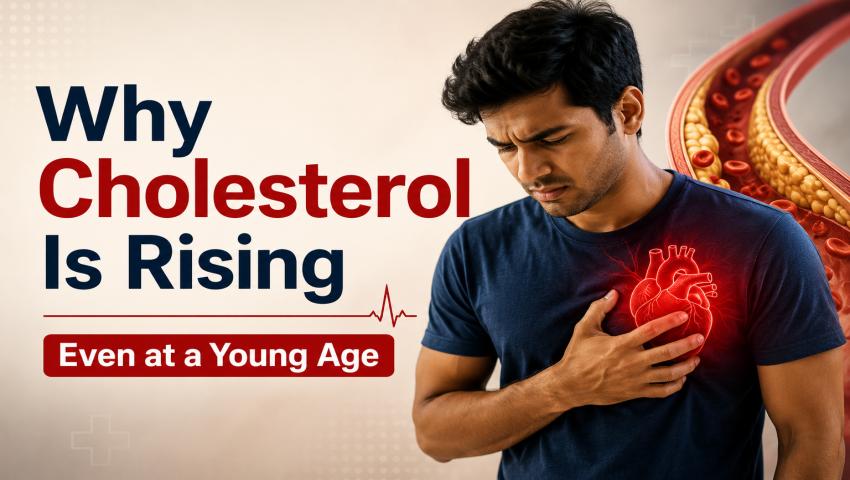
High cholesterol was once considered a problem of middle age. Today, it is increasingly seen in people in their 20s and 30s, especially among students, young professionals, and those with sedentary routines. This shift is not random. It reflects a deeper change in lifestyle, diet patterns, and daily habits.
As a cardiologist in Pune, Dr. Kartik Bhosale frequently sees young patients with abnormal lipid profiles, often without obvious symptoms. Understanding why cholesterol is rising early is the first step toward preventing long-term heart disease.
What Is Cholesterol and Why Does It Matter?
Cholesterol is a fatty substance present in the blood. It is essential for hormone production and cell function. However, excess cholesterol, especially LDL (Low-Density Lipoprotein) (bad cholesterol), can accumulate in blood vessels and form plaques. Over time, this leads to narrowing of arteries, increasing the risk of heart attack and stroke.
The concerning part is that this process can begin silently at a young age.
Key Reasons for Rising Cholesterol in Young People:
1. Sedentary Lifestyle and Lack of Physical Activity:
One of the biggest contributors is reduced physical movement. Long hours spent sitting, whether for studies, office work, or screen time, slow down metabolism.
This leads to:
- Increased fat accumulation
- Reduced HDL (High-Density Lipoprotein, good cholesterol)
- Poor lipid balance
Even individuals who appear slim can have high cholesterol due to inactivity.
2. Unhealthy Eating Habits:
Diet plays a major role in cholesterol levels. Modern food habits include:
- Frequent consumption of fast food
- Packaged snacks and processed items
- Sugary drinks and desserts
- High intake of refined carbohydrates
These foods are rich in trans fats and saturated fats, which directly increase LDL (Low-Density Lipoprotein) cholesterol.
Late-night eating and irregular meal timings further worsen metabolism.
3. Rising Stress Levels:
Chronic stress is now common among young professionals. Work pressure, competition, and lifestyle imbalance increase stress hormones like cortisol.
This can:
- Increase cholesterol production in the liver
- Raise blood pressure
- Trigger unhealthy eating habits
According to Dr. Kartik Bhosale, a trusted heart specialist in Pune, stress is an often underestimated but powerful contributor to early heart risk.
4. Poor Sleep Patterns:
Sleep is essential for metabolic balance. Many young individuals sleep less than 6 hours due to work, social media, or irregular schedules.
Lack of sleep leads to:
- Hormonal imbalance
- Increased appetite and weight gain
- Higher cholesterol levels
Consistent sleep deprivation silently increases cardiovascular risk.
5. Genetic Factors (Family History):
In some cases, cholesterol levels are high due to hereditary conditions such as familial hypercholesterolemia.
If there is a family history of:
- Early heart attacks
- High cholesterol
- Stroke
Then screening should begin early, even in teenage years.
6. Smoking and Alcohol Consumption:
Social habits like smoking and alcohol are increasingly common at a young age.
- Smoking reduces good cholesterol (HDL)
- Alcohol, especially in excess, increases triglycerides
These habits accelerate the development of plaque in arteries.
7. Early Onset of Lifestyle Diseases:
Conditions like:
- Obesity
- Diabetes
- High blood pressure
are now being diagnosed earlier than before. These conditions directly affect cholesterol metabolism and increase the risk of heart disease.
Why Early Cholesterol Is Dangerous?
High cholesterol does not usually cause symptoms. Many young individuals feel completely normal while cholesterol levels continue to rise.
Over time, this leads to:
- Silent blockage in heart arteries
- Reduced blood flow to the heart
- Increased risk of heart attack at a young age
Early detection is critical because damage can begin years before symptoms appear.
Warning Signs You Should Not Ignore:
Although cholesterol itself is silent, associated symptoms may include:
- Chest discomfort during activity
- Unusual fatigue
- Shortness of breath
- Weight gain, especially around the abdomen
If these symptoms are present, medical evaluation is important.
How to Control Cholesterol at a Young Age?
The good news is that cholesterol levels can be effectively controlled with lifestyle changes.
- Stay Physically Active: Aim for at least 30 minutes of exercise daily.
- Improve Diet Quality: Include fruits, vegetables, whole grains, and healthy fats. Avoid processed and fried foods.
- Maintain a Healthy Weight: Even small weight loss can improve cholesterol levels.
- Manage Stress: Practice relaxation techniques like meditation or yoga.
- Get Adequate Sleep: Ensure 7–8 hours of quality sleep daily.
- Avoid Smoking and Limit Alcohol: These habits significantly increase cardiovascular risk.
Importance of Regular Screening:
Young individuals should not assume they are healthy without testing. A simple lipid profile test can detect abnormalities early.
You should consider screening if you:
- Have a sedentary lifestyle
- Eat unhealthy food frequently
- Have a family history of heart disease
- Experience weight gain or stress
Consulting an experienced cardiologist can help interpret results correctly and guide treatment if needed.
Expert Insight by Dr. Kartik Bhosale:
Dr. Kartik Bhosale emphasizes that early lifestyle correction is the key to preventing heart disease. In many cases, cholesterol can be controlled without long-term medication if detected early.
His approach focuses on:
- Identifying root causes
- Personalised lifestyle planning
- Regular monitoring and follow-up
Conclusion:
The rise in cholesterol at a young age is a result of modern lifestyle patterns, sedentary habits, poor diet, stress, and lack of awareness. While the risk is increasing, it is also largely preventable.
With timely action, healthy habits, and guidance from a qualified heart specialist in Pune like Dr. Kartik Bhosale, young individuals can protect their hearts and avoid serious complications in the future.
Your heart health is shaped by your daily choices. The earlier you act, the better your long-term outcomes.