Mon-Sat: 8:00 AM – 10:00 PM Sun: 8:00 AM – 10:00 PM
drkartik@drbhosalekartik.com
Email Us:
+91 84200 70081 / +91 8420070082
Call Us:

Adult Congenital Heart Disease Clinic in Pune

Are you a grown-up living with a heart defect that was present since birth, or are you currently experiencing new symptoms like unexpected fatigue, breathlessness, or irregular heartbeats? Managing structural heart anomalies requires specialized, lifelong monitoring as your body changes over time. Discovering potential issues early and starting appropriate medical care can significantly safeguard your long-term cardiac health and prevent progressive vulnerabilities.

Dr. Kartik Bhosale’s Cardiology Clinic houses a dedicated adult congenital heart disease clinic in Pune, offering highly sophisticated structural evaluations, meticulous diagnostic tracking, and individualized management strategies tailored specifically for grown-up patients with structural heart defects. Our specialized center places its focus on early detection, precise physiological tracking, lifestyle pacing, and consistent long-term medical follow-ups to help you live a secure, active, and fulfilling life.

Dr. Kartik Bhosale – Adult Congenital Heart Disease Specialist in Pune

Best Cardiologist In Baner | Heart Specialist In Baner- Dr. Kartik Bhosale

Dr. Kartik Bhosale

MBBS, MD Medicine, DM Cardiology, DrNB, Consultant & Interventional Cardiologist
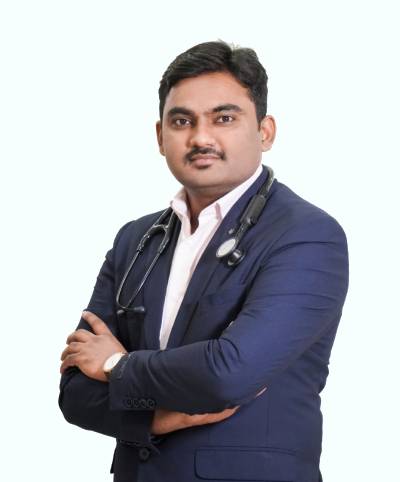
Dr. Kartik Bhosale is an esteemed Gold Medalist Interventional Cardiologist and a top-tier adult congenital heart disease specialist in Pune, offering more than 15 years of exceptional clinical proficiency. Over the course of his medical career, he has focused extensively on supporting individuals navigating structural heart anomalies from childhood into maturity, delivering targeted therapeutic protocols, routine non-invasive screening, and specialized tracking for complex vascular conditions.

His core areas of clinical focus include:

  1. Providing lifelong, dedicated tracking for both repaired and unrepaired childhood cardiac defects
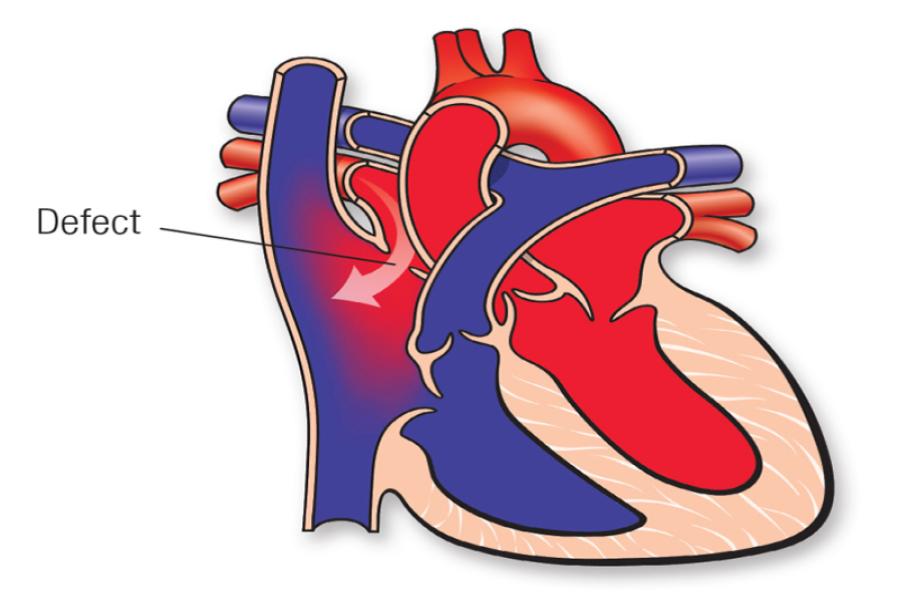
  2. Formulating targeted medical strategies for structural conditions like ASD, VSD, PDA, and complex bicuspid valves
  3. Evaluating overall cardiovascular risk profiles as congenital patients navigate their adult years
  4. Designing personalized therapeutic plans and safe lifestyle routines to maintain vascular health
  5. Implementing proactive interventions aimed at lowering the risk of emergency hospital stays
  6. Conducting detailed, non-invasive structural testing to monitor ongoing heart function

15

Years of Experience

10+

Advanced Procedures

10, 000+

Happy Patients

10,000+

Cardiac Evaluations

Patients can access crucial structural diagnostics directly under one roof at his state-of-the-art medical centers in Baner and Wakad, Pune—including detailed color Doppler echocardiography, high-resolution ECGs, and multi-day Holter tracking. Dr. Kartik Bhosale remains deeply dedicated to providing evidence-based, patient-first care that carefully monitors structural stability, optimizes pumping efficiency, balances secondary vascular pressures, and guides congenital heart patients securely through their adult lives.

What is the Connection Between Congenital Defects and Adult Heart Health?

When individuals with childhood heart conditions grow into maturity, they often seek clear medical guidance and ask: What exactly changes as an adult? Congenital heart defects are structural abnormalities of the heart chambers, valves, or major blood vessels that develop before birth. While many patients undergo successful corrective surgeries or interventions during infancy or childhood, these conditions are rarely completely “cured.”

As the body ages, the heart muscle, valves, and pulmonary pathways experience decades of changing workloads. Having a congenital condition means your cardiovascular system goes through natural structural remodeling, which places you at a higher risk of developing unique rhythm disturbances, valve leakages, or right-sided heart strain in your adult years. It does not mean complications are unavoidable, but it underscores that your heart demands precise, specialized monitoring to ensure it continues to function safely. These structural shifts can emerge slowly over years, making routine specialist check-ups an absolute necessity for long-term health.

Symptoms You Should Not Ignore:

You should schedule an evaluation with a specialized adult congenital heart disease doctor if you exhibit common warning flags or associated structural heart signs:

  1. Shortness of breath during normal daily tasks or during mild exercise
  2. A persistent feeling of exhaustion, physical weakness, or low everyday stamina
  3. Visible swelling (edema) in your feet, ankles, lower legs, or abdomen
  4. Experiencing sudden dizzy spells, lightheadedness, or unprovoked fainting episodes
  5. Sensation of rapid, skipping, fluttering, or irregular heartbeats (palpitations)
  6. A bluish tint on your lips, tongue, or fingernails (cyanosis)
  7. Noticeable drop in your usual exercise capacity or walking distance
  8. Chest discomfort, pressure, or a localized squeezing sensation during exertion
  9. Frequent respiratory infections or a lingering feeling of chest congestion

Risk Factors for Complications in Congenital Heart Patients:

Structural vulnerabilities in adults with congenital defects can worsen due to several compounding risk factors:

  1. Going multiple years without a professional cardiac check-up or routine echocardiogram
  2. Developing co-existing health conditions like high blood pressure, diabetes, or high cholesterol
  3. Engaging in high-intensity, unmonitored competitive sports or heavy weightlifting without medical clearance
  4. Pregnancy or major planned surgeries, which place immense mechanical stress on structural defects
  5. Prior history of endocarditis (heart valve infections) or poor dental hygiene habits
  6. Smoking, tobacco use, or a sedentary lifestyle that compromises overall vascular elasticity

Who Should Visit a Congenital Heart Clinic?

Any grown-up who was diagnosed with a heart murmur, a valve defect, or hole in the heart during childhood should visit an established adult congenital heart disease clinic. It is critically urgent for patients who underwent pediatric heart surgeries years ago, individuals tracking unrepaired simple defects, or anyone searching online for specialized adult congenital heart disease doctors near me due to new-onset breathing difficulties, chronic fatigue, or heart fluttering to get evaluated by an expert.

Conditions We Manage at Our Congenital Heart Clinic in Wakad, Pune:

Atrial Septal Defects (ASD)

Careful long-term monitoring and intervention tracking for holes in the wall separating the heart's upper chambers.
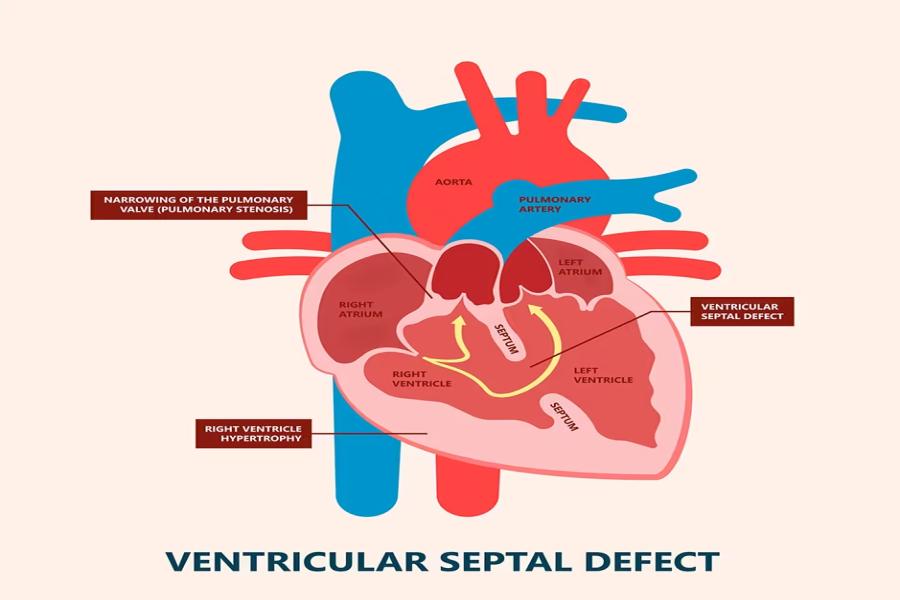
Ventricular Septal Defects (VSD)

Specialized management for adult patients living with repaired or unrepaired holes in the lower heart chambers.
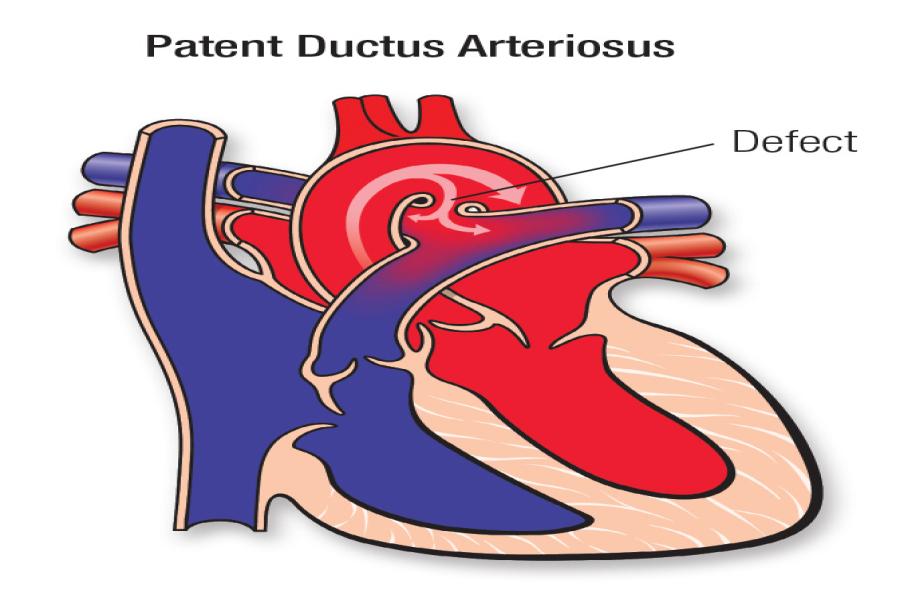
Patent Ductus Arteriosus (PDA)

Advanced care pathways focused on managing persistent structural connections between the aorta and pulmonary artery.
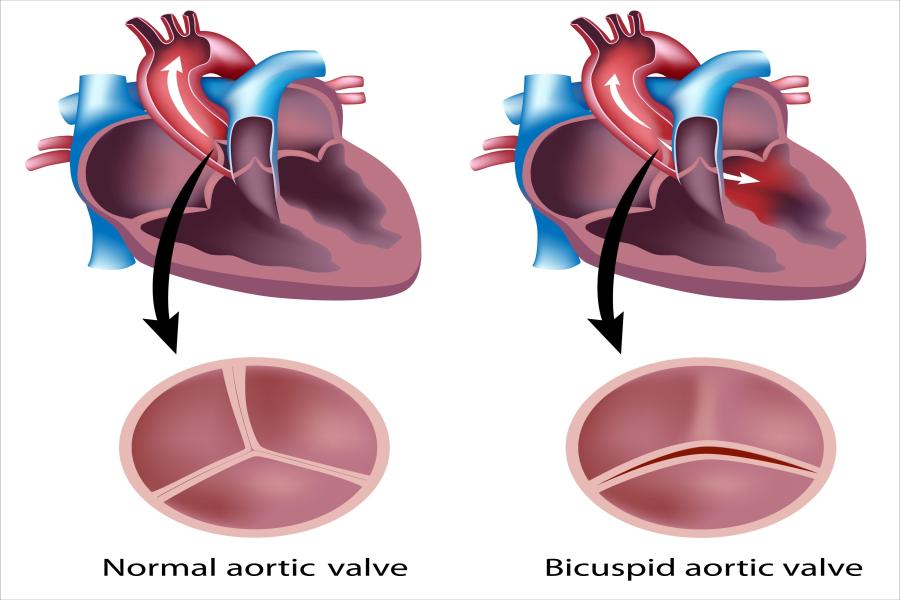
Bicuspid Aortic Valve Disease

Dedicated tracking for patients with two aortic valve leaflets instead of three, preventing premature valve narrowing or leaking.
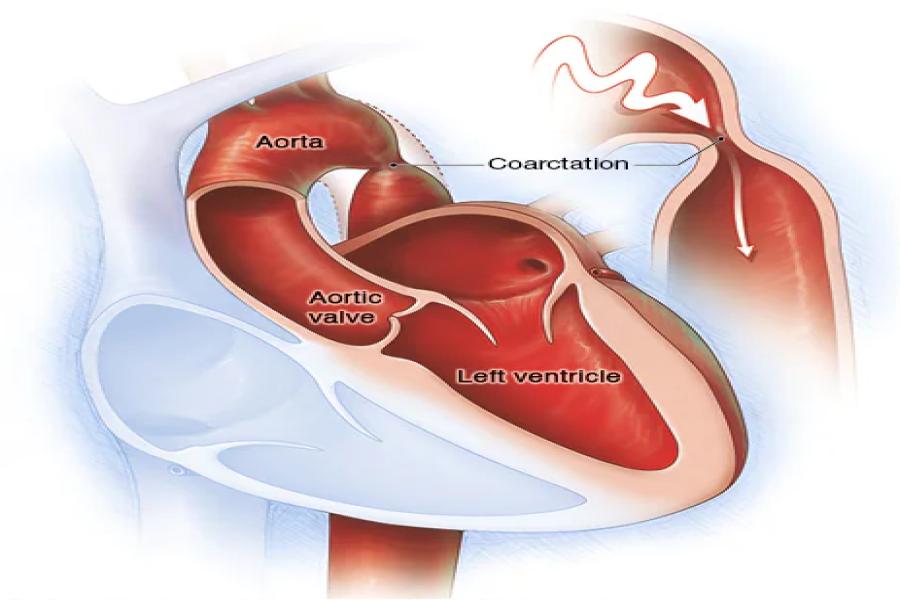
Coarctation of the Aorta

Monitoring long-term vascular pressures and aortic health in individuals treated for a narrowed main artery.
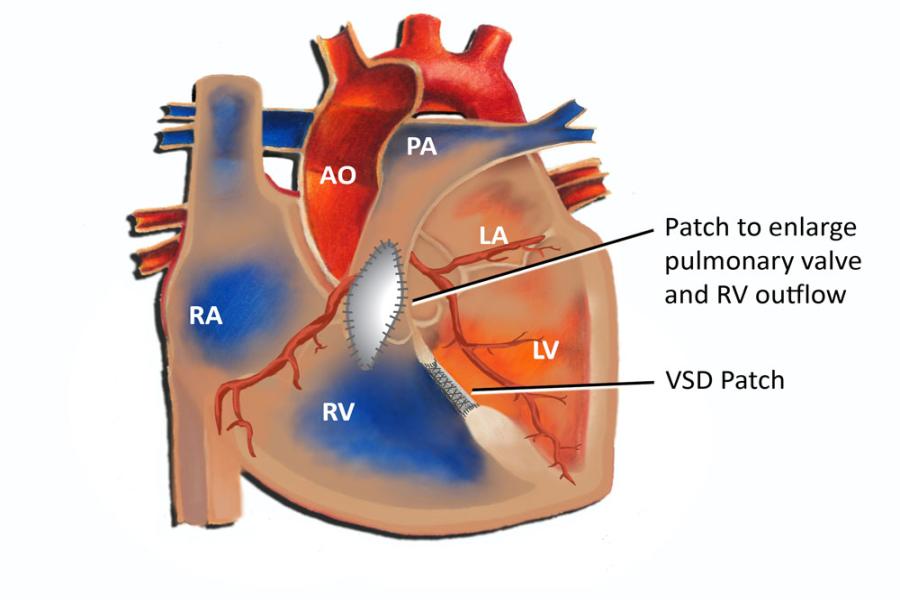
Tetralogy of Fallot (Post-Repair)

Comprehensive lifelong evaluation for adults who had pediatric surgical repairs for complex congenital conditions.
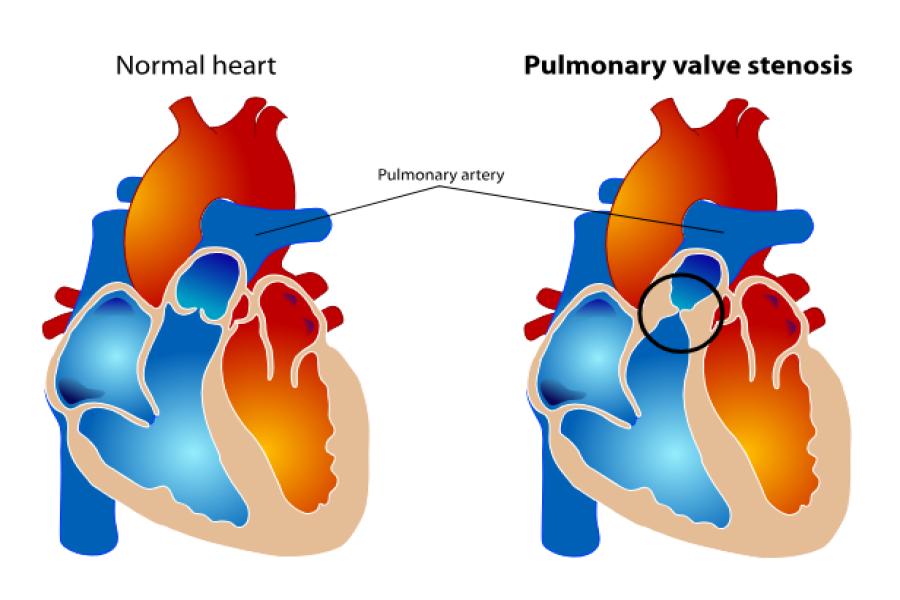
Pulmonary Valve Regurgitation/Stenosis

Targeted management for narrowing or backflow issues affecting blood travel from the heart to the lungs.
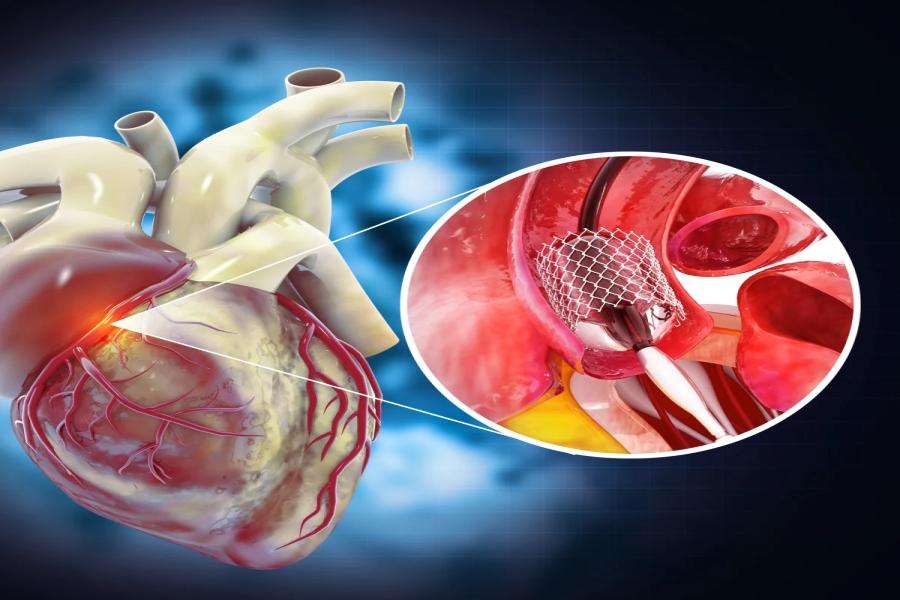
Preventive Structural Cardiology

Utilizing specialized screenings to identify progressive vascular shifts and protect heart muscle integrity as you age.

Diagnostic Facilities Available:

A thorough diagnostic mapping helps pinpoint the exact structural status and current workload of your heart. Our fully equipped care center offers the following non-invasive testing modalities:

  1. Comprehensive clinical history and structural cardiac evaluation
  2. Standard Electrocardiogram (ECG) to monitor congenital electrical pathways
  3. Advanced 2D Echocardiography (2D Echo with Color Doppler) to measure chamber sizes and valve blood flow
  4. Cardiac Stress Testing (TMT) to evaluate the structural heart performance under workload
  5. Extended Holter Monitoring to log intermittent, dangerous heart rhythm variations
  6. Detailed laboratory testing to rule out secondary metabolic or blood triggers
  7. Pulse Oximetry and oxygen saturation profiling during rest and movement
  8. Routine blood pressure mapping to control systemic vascular resistance
  9. Targeted cardiac risk and structural event vulnerability profiling

Treatment & Management at Our Congenital Heart Clinic:

Your therapeutic roadmap depends entirely on the specific form, pediatric history, and progression of your structural defect. Dr. Kartik Bhosale designs custom care pathways for every individual, which include:

  1. Targeted Structural Medications: Prescribing advanced medical therapies to optimize fluid levels and ease the heart’s pumping burden.
  2. Arrhythmia Prevention: Deploying targeted treatments to stabilize heart rhythm disruptions that often occur in adult congenital pathways.
  3. Vascular Pressure Stabilization: Implementing strict control mechanisms to avoid high pressures in the lungs (pulmonary hypertension) or systemic arteries.
  4. Therapeutic Lifestyle Pacing: Tailoring everyday guidelines regarding sodium intake, fluid tracking, safe physical boundaries, and pregnancy planning.
  5. Body Mass Optimization: Providing medical guidance and nutritional plans to maintain a healthy weight, minimizing structural stress on the heart.
  6. Endocarditis Prophylaxis: Educating patients on critical antibiotic protocols before specific dental or medical procedures to protect vulnerable valves.
  7. Interventional Screening & Referral: Meticulously evaluating when a patient might benefit from modern, minimally invasive device closures or valve revisions.
  8. Long-Term Preventive Follow-Up: Organizing periodic echocardiograms and clinic visits to spot subtle changes early and keep patients out of the hospital.

Heart-Healthy Lifestyle Tips for Adult Congenital Patients:

  1. Maintain regular communication with your cardiologist and never skip your scheduled structural follow-up appointments.
  2. Adopt a nutrient-dense, low-sodium diet rich in fresh produce, lean proteins, and fiber to support blood vessel health.
  3. Engage regularly in light to moderate, doctor-approved exercises like walking or swimming, while strictly avoiding extreme overexertion.
  4. Prioritize excellent dental hygiene and routine dental cleanings to protect your heart valves from bacterial infections.
  5. Avoid smoking, vaping, and illicit substances entirely to shield your structural pathways from dangerous vascular stress.

Why Choose Our Congenital Heart Clinic in Pune?

Focused Clinical Expertise:

Our center is uniquely dedicated to the complex, lifelong tracking of adult congenital conditions, ensuring expert, focused attention.

Guideline-Driven Care:

All medical approaches perfectly mirror the newest international adult congenital guidelines, bringing you safe, cutting-edge therapies.

Tailored Care Strategies:

Recognizing that no two congenital hearts are identical, treatment protocols are hand-tailored to your unique surgical history and anatomy.

Thorough Diagnostic Mapping:

We conduct extensive, deep-dive screenings to uncover subtle vascular shifts or valve changes early.

Modern On-Site Testing:

Our clinic provides immediate access to essential cardiac diagnostics like 2D Echo, multi-day Holter tracking, and high-resolution ECGs under one roof.

Dedicated Patient Partnerships:

Managing structural changes requires a lifetime of care; we provide continuous medical backing for you and your family as you journey through adulthood.

When Should You Consult a Congenital Heart Specialist?

Make an appointment with Dr. Kartik Bhosale if you notice:

  1. A known history of a childhood heart defect, pediatric heart surgery, or a persistent heart murmur.
  2. Progressive shortness of breath or subtle chest discomfort during routine, low-effort tasks.
  3. Chronic swelling in your lower legs, ankles, or abdomen that doesn’t go away with rest.
  4. New episodes of lightheadedness, unexplained dizzy spells, or sudden palpitations.
  5. You are planning a pregnancy and have a history of structural heart disease.

Book an Appointment with Dr Kartik Bhosale

If you or a family member has a history of childhood cardiac defects or is currently experiencing unexpected changes in your breathing, it is vital to seek an expert opinion without delay. You can schedule a comprehensive evaluation with Dr. Kartik Bhosale, Consultant Interventional Cardiologist, to receive dedicated medical support for grown-up congenital conditions in Pune. Our professional clinical team is available to help you at any of our four convenient neighborhood centers:

Appointment Form

Wakad Clinic

Office No 207, Second floor, Oriana Crest building, Datta Mandir Rd, Wakad
Call: +91 8420070081

Baner Clinic

Office No 103, Ganraj Chowk, Icon Business Spaces, Baner Rd, Baner
Call: +91 92721 10071

Ravet Clinic

Pristine Shatrunjay, Bhondve Corner, DY Patil College Rd, Ravet
Call: +919226610091

Punawale Clinic

Shop No 12, Sonovision Imaging & Diagnostic Center, Prime Serenity, Kate Wasti Rd, near Balaji Mandir Road, Pandhare Wasti, Kate Wasti, Punawale, Pimpri-Chinchwad, Maharashtra 411033

FAQ's about Adult Congenital Heart Disease Treatment:

Dr. Kartik Bhosale is a Gold Medalist Interventional Cardiologist and leading cardiac expert in Pune, offering deep clinical expertise in managing, tracking, and treating adult congenital heart conditions.

Even after successful pediatric surgery, the heart can undergo structural remodeling over decades, potentially leading to new valve leaks, irregular heart rhythms, or muscle weakness that requires specialized adult management.

We routinely manage adult patients with Atrial Septal Defects (ASD), Ventricular Septal Defects (VSD), Patent Ductus Arteriosus (PDA), Bicuspid Aortic Valve disease, and post-repair Tetralogy of Fallot.

Many women with congenital defects can have successful pregnancies, but it requires careful pre-pregnancy evaluation and structured cardiac monitoring to ensure the heart handles the extra blood volume safely.

Our management combines specialized structural medications, strict blood pressure control, custom exercise pacing guidelines, antibiotic protocols for valve protection, and regular non-invasive color Doppler echocardiograms to track stability.
