


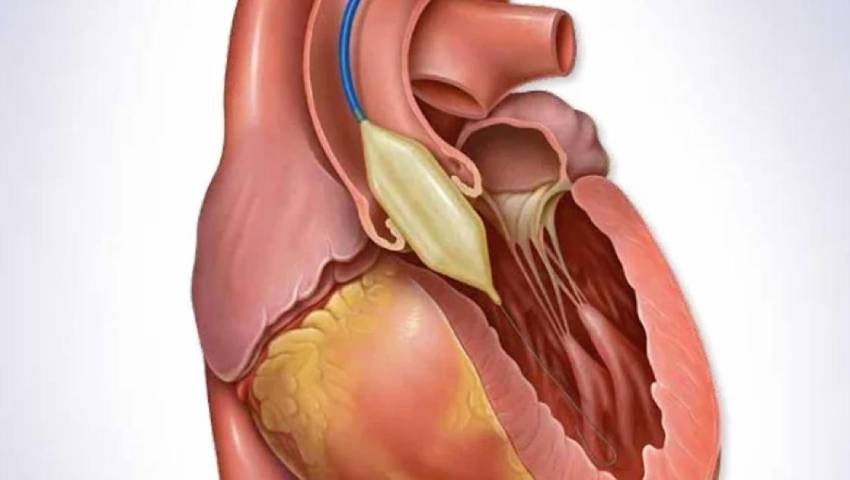
Balloon valvuloplasty is a minimally invasive procedure using a catheter with a balloon to widen narrowed heart valves (stenosis), improving blood flow and relieving symptoms like shortness of breath and chest pain, often for mitral or aortic valves, offering a quicker recovery than open-heart surgery, especially for high-risk patients. A catheter is inserted via a groin artery, guided to the valve, and the balloon is inflated to stretch it open, after which the balloon is deflated and removed, restoring better function without replacing the valve.
What is Balloon Valvuloplasty?
Balloon Valvuloplasty is a non-surgical procedure that uses a soft balloon to widen a narrowed heart valve. It is done using a thin catheter inserted through a blood vessel. Once the balloon reaches the blocked valve, it is inflated gently to open the valve and restore normal blood flow. Doctors recommend this treatment for conditions like mitral stenosis, aortic stenosis (selected cases), and pulmonary valve stenosis.
Symptoms of Heart Valve Stenosis:
Patients may need Balloon Valvuloplasty if they experience:
- Shortness of breath: Happens because the narrowed valve reduces blood flow, making the heart work harder.
- Chest pain or discomfort: Due to poor circulation and pressure buildup inside the heart.
- Fatigue and weakness: The body receives less oxygen, causing tiredness even after small activities.
- Irregular heartbeat: When the heart struggles to pump blood smoothly, arrhythmias may develop.
- Swelling in legs or feet: Fluid builds up when the heart cannot pump efficiently.
Dizziness or fainting: Reduced blood flow to the brain leads to lightheadedness. - Difficulty in doing routine activities: Even simple tasks feel tiring because the heart cannot pump enough blood.
Types of Balloon Valvuloplasty:
- Mitral Balloon Valvotomy – Used for mitral valve stenosis. A balloon is used to open the tight mitral valve and improve blood flow from the left atrium to the left ventricle.
- Aortic Balloon Valvuloplasty – Mostly done in selected elderly or high-risk patients. Helps widen the narrowed aortic valve and temporarily improve blood flow from the heart to the body.
- Pulmonary Balloon Valvuloplasty – Commonly performed for children and adults with pulmonary valve stenosis. It opens the valve that sends blood from the heart to the lungs.
- Tricuspid Balloon Valvuloplasty – Less common but used when the tricuspid valve becomes narrowed. It helps improve blood flow between the right atrium and right ventricle.
Diagnostic Tests Required:
Before planning Balloon Valvuloplasty, several tests help understand the valve structure and severity:
- Echocardiogram – Shows valve movement and blood flow
- Electrocardiogram (ECG) – Detects rhythm problems
- Cardiac catheterization/angiogram – Gives detailed images of the heart
- Chest X-ray – Shows heart size
- Blood tests – To check overall health before the procedure
Benefits of Balloon Valvuloplasty:
Balloon Valvuloplasty offers several advantages, particularly for individuals with narrowed heart valves (stenosis). It is a minimally invasive procedure that provides relief from symptoms and improves heart function. The key benefits include:
- Improved Blood Flow: Widens narrowed heart valves, enhancing circulation and reducing strain on the heart.
- Symptom Relief: Alleviates issues such as shortness of breath, fatigue, chest pain, and dizziness.
- Minimally Invasive: Avoids open-heart surgery, resulting in smaller incisions, less pain, and quicker recovery.
- Better Quality of Life: Reduces symptoms, enabling individuals to perform daily activities more comfortably.
- Shorter Recovery Period: Allows most individuals to resume normal activities within days to weeks.
- Reduced Risk of Complications: Offers a safer alternative for those at higher risk of complications from open-heart surgery.
- Bridge to Further Treatment: Serves as an interim solution while preparing for more advanced treatments, such as valve replacement.
- Effective for Specific Conditions: Particularly beneficial for mitral valve stenosis and pulmonary valve stenosis, providing lasting improvement.
Risks and Complications:
Balloon Valvuloplasty is generally considered safe, but it does come with some risks and potential complications. These include:
- Bleeding or Bruising: Minor bleeding, bruising, or swelling may occur at the catheter insertion site. In rare cases, significant bleeding might require medical intervention.
- Infection: Though uncommon, infections can develop at the incision site or within the heart, potentially requiring antibiotics or further treatment.
- Valve Damage: The procedure may sometimes result in damage to the treated valve, leading to leakage (regurgitation) or the need for additional surgery.
- Blood Clots: Blood clots may form, which could block blood vessels and increase the risk of stroke or embolism.
- Arrhythmias: Irregular heart rhythms can occur during or after the procedure, often resolving without treatment but occasionally requiring medication or intervention.
- Re-Narrowing of the Valve: In some cases, the treated valve may narrow again over time (restenosis), necessitating repeated procedures or valve replacement.
- Allergic Reactions: Some individuals may experience allergic reactions to the contrast dye or medications used during the procedure, leading to symptoms such as rash, difficulty breathing, or low blood pressure.
- Heart or Blood Vessel Damage: Rarely, the catheter or balloon may cause tears or injury to the heart, valve, or nearby blood vessels, which might require surgical repair.
- Stroke: There is a small risk of stroke during the procedure, especially in older patients or those with pre-existing conditions.
- Kidney Problems: In individuals with pre-existing kidney issues, the contrast dye used during the procedure may worsen kidney function.
Why Choose Dr. Kartik Bhosale for Balloon Valvuloplasty in Pune?
Dr. Kartik Bhosale is a highly experienced Interventional Cardiologist in Pune, known for performing complex cardiac procedures with safety and precision. He uses advanced imaging, modern catheter techniques, and patient-centric care to ensure the best outcomes for Balloon Valvuloplasty patients. His expertise, transparent guidance, and compassionate approach make him a trusted heart specialist for treating valve stenosis.
Conclusion:
Balloon Valvuloplasty is a safe and trusted procedure that opens a narrowed heart valve without the need for major surgery. It improves blood flow, reduces symptoms, and helps the heart work more efficiently. With early diagnosis and the right treatment plan, patients can recover faster and return to normal activities sooner. Under the expert care of specialists like Dr. Kartik Bhosale, individuals with valve stenosis can achieve better heart function, improved daily comfort, and long-term protection for their heart health.
Book Your Appointment Now!