

Blocked heart arteries are one of the leading causes of heart attacks and other serious cardiovascular problems. The condition develops gradually over many years and often starts without noticeable symptoms. What Are the Early Signs of Blocked Heart Arteries is one of the most common questions people ask when they want to protect their heart health. Recognizing these warning signs early can help prevent life-threatening complications and improve treatment outcomes.
According to the Best Cardiologist in Pune – Dr. Kartik Bhosale, early diagnosis plays a vital role in protecting heart health. Dr. Kartik Bhosale is one of the Best Interventional Cardiologists in Pune, with advanced training in Cardiology and a Gold Medal in Cardiology. His expertise helps patients identify and manage heart disease before it becomes severe.
What Are Blocked Heart Arteries?
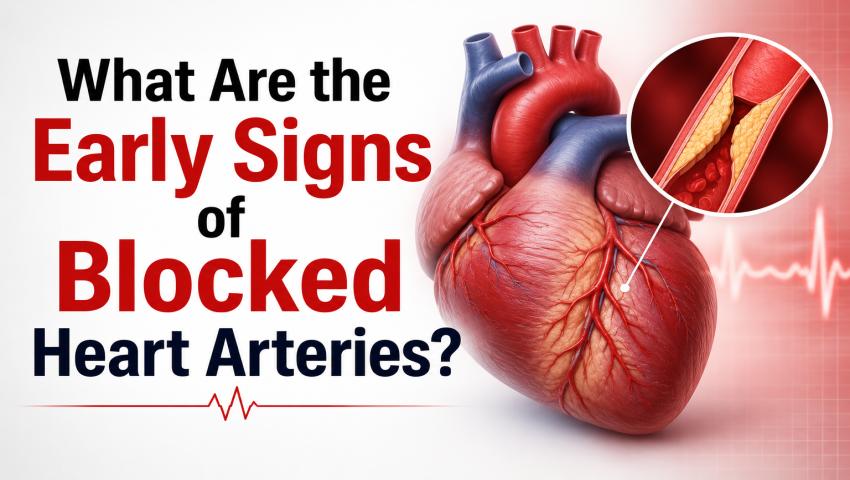
Blocked heart arteries occur when the blood vessels supplying oxygen-rich blood to the heart become narrowed or blocked. This condition is commonly known as coronary artery disease.
Over time, fatty deposits called plaque build up inside the arteries. As the blockage increases, blood flow to the heart decreases. This can lead to chest pain, breathlessness, or even a heart attack.
Why Early Detection Matters?
Many people ignore mild symptoms because they believe they are caused by stress, ageing, or fatigue.
However, identifying the warning signs of blocked arteries early can:
- Reduce the risk of heart attack
- Prevent complications
- Improve treatment success
- Help maintain a better quality of life
Early diagnosis often allows treatment before a major cardiac event occurs.
Early Signs of Blocked Heart Arteries:
1. Chest Pain or Discomfort (Angina):
Chest pain is one of the most common warning signs of blocked arteries.
The discomfort may feel like:
- Pressure in the chest
- Tightness
- Heaviness
- Burning sensation
Symptoms often occur during physical activity or emotional stress.
2. Shortness of Breath:
When the heart does not receive enough blood, it may struggle to pump efficiently.
You may notice:
- Breathlessness while walking
- Difficulty climbing stairs
- Reduced stamina during routine activities
3. Unusual Fatigue:
Persistent tiredness without an obvious reason may be an early warning sign. Many patients report feeling exhausted even after adequate rest.
4. Pain in the Arm, Neck, Jaw, Shoulder, or Back:
Heart-related pain does not always remain in the chest.
Discomfort may spread to:
- Left arm
- Both arms
- Neck
- Jaw
- Shoulders
- Upper back
5. Dizziness or Lightheadedness:
Reduced blood flow can affect circulation and lead to dizziness, especially during activity.
6. Heart Palpitations:
Some people experience:
- Racing heartbeat
- Fluttering sensation
- Irregular heartbeats
These symptoms should not be ignored.
7. Excessive Sweating:
Unexpected sweating without physical exertion may indicate reduced blood flow to the heart.
8. Reduced Exercise Tolerance:
One of the most overlooked signs of minor heart blockage is reduced physical capacity. If activities that were once easy suddenly become difficult, it may be time for a cardiac evaluation.
Silent Heart Artery Blockage: Can It Occur Without Symptoms?
Yes.
Some people have significant artery blockage without experiencing obvious symptoms. This is known as silent coronary artery disease.
Silent blockage is more common in:
- People with diabetes
- Older adults
- Individuals with multiple cardiac risk factors
This is why the top cardiologist in Pune, Dr. Kartik Bhosale, recommends regular heart check-ups for high-risk individuals.
Risk Factors for Blocked Heart Arteries:
High blood pressure
Diabetes
Family history of heart disease
High cholesterol
Smoking
Chronic stress
When Should You Be Concerned About Chest Pain?
Seek medical attention immediately if chest pain:
- Occurs during physical activity
- Lasts more than a few minutes
- Spreads to the arm or jaw
- Occurs with sweating
- Is accompanied by breathlessness
Many patients who later develop heart attacks first experience mild symptoms that are ignored. As the best heart specialist in Pune – Dr. Kartik Bhosale often advises, it is always better to investigate chest pain early rather than wait for symptoms to worsen.
How Doctors Diagnose Blocked Heart Arteries?
Doctors use several tests to determine whether arteries are narrowed or blocked.
- ECG: Records the electrical activity of the heart.
- 2D Echo: Evaluates heart structure and pumping function.
- Stress Test (TMT): Assesses how the heart responds during exercise.
- CT Coronary Angiography: Provides detailed images of the coronary arteries.
- Coronary Angiography: Considered the gold standard for identifying significant blockages.
According to Dr. Kartik Bhosale, choosing the right test depends on symptoms, age, and individual risk factors.
Can Blocked Heart Arteries Be Prevented?
In many cases, yes.
Preventive measures can significantly reduce the risk of developing severe artery blockage. Many patients ask how to clear blocked arteries without surgery. While severe blockages may require procedures such as angioplasty or bypass surgery, mild to moderate disease can often be managed through:
- Lifestyle changes
- Medications
- Cholesterol control
- Blood pressure management
Lifestyle Changes for Better Heart Health:
1️⃣ Healthy Diet
- Eat fruits and vegetables
- Reduce processed foods
- Limit saturated fats
2️⃣ Stress Reduction
- Practice relaxation techniques
- Maintain work-life balance
3️⃣ Cholesterol Management
- Eat heart-friendly foods
- Take prescribed medications when necessary
4️⃣ Blood Pressure Control
- Monitor regularly
- Follow medical advice
5️⃣ Weight Management
- Maintain a healthy body weight
6️⃣ Regular Exercise
- Aim for at least 30 minutes most days
Treatment for Blocked Heart Arteries:
The treatment for blocked arteries depends on the severity of the blockage.
Options include:
- Lifestyle modifications
- Medications
- Angioplasty with stent placement
- Coronary artery bypass surgery
The goal is to improve blood flow and reduce the risk of heart attack.
When Should You Consult a Cardiologist?
You should consult a cardiologist if you experience:
- Chest pain
- Breathlessness
- Palpitations
- Unexplained fatigue
- Multiple risk factors for heart disease
Heart Care Specialist in Pune – Dr. Kartik Bhosale recommends early evaluation because many serious heart conditions can be treated effectively when detected early.
Conclusion:
Recognizing the early signs of blocked heart arteries can help prevent serious complications and save lives. Common symptoms include chest pain, shortness of breath, fatigue, dizziness, palpitations, and reduced exercise tolerance. However, some people may have silent artery blockage without obvious symptoms.
Understanding the warning signs of blocked arteries, identifying signs of minor heart blockage, and seeking timely medical advice can make a significant difference. For those wondering how long you can live with blocked arteries, the answer depends largely on early diagnosis, proper treatment, and lifestyle management.
If you have risk factors such as diabetes, high blood pressure, high cholesterol, or a family history of heart disease, consult best doctor in pune – dr. kartik bhosale for expert cardiac evaluation and personalized heart care.
FAQs:
Chest pain, shortness of breath, unusual fatigue, dizziness, and reduced exercise capacity are common early symptoms.
Yes. Severe blockages can sometimes cause symptoms even while resting.
Yes. Poor lifestyle habits, smoking, obesity, diabetes, and family history can increase risk even at a young age.
Doctors may recommend an ECG, 2D Echo, Stress Test, CT Coronary Angiography, or Coronary Angiography based on your symptoms.
Yes. A healthy diet, regular exercise, weight control, stress management, and avoiding smoking can significantly reduce the risk.