


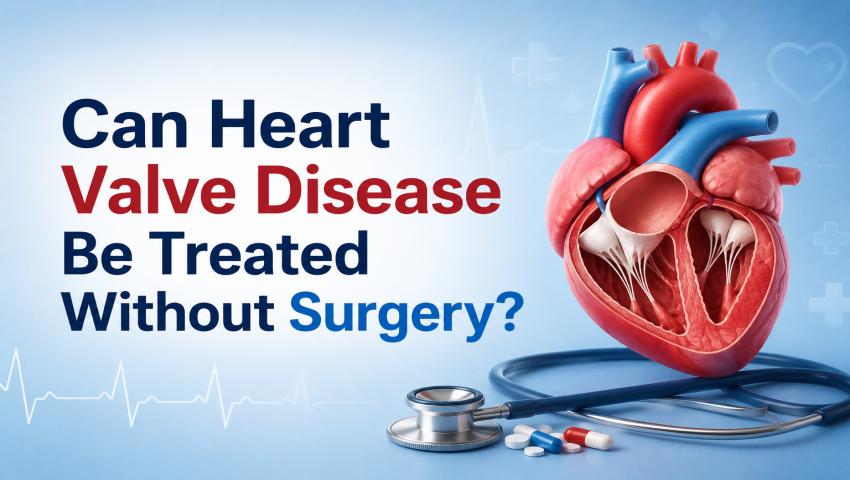
Hearing that you or a loved one has a heart condition can be scary. One of the most common questions patients ask when diagnosed is, can heart valve disease be treated without surgery? The good news is that open-heart surgery is not always the immediate or only option.
Depending on the severity of the condition, many people manage it successfully through medications and lifestyle adjustments. If you want an expert opinion, consulting Dr. Kartik Bhosale, the Best Cardiologist in Pune,can help you understand the most advanced non-surgical and minimally invasive treatment options available today.
Understanding Heart Valve Disease:
To understand the condition, we must first look at how the heart functions. The heart has four valves: the tricuspid, pulmonary, mitral, and aortic valves. These valves act like one-way doors, keeping blood flowing in the correct direction.
When you develop this condition, one or more of these valves fail to open or close properly. This forces your heart to work much harder to pump blood to the rest of your body, leaving many patients wondering, can heart valve disease be treated without surgery?
Main Types of Valve Conditions:
The disease generally falls into three main categories based on how the valve is misbehaving:
- Regurgitation (Leaking Valve): The valve doors do not close tightly, causing blood to leak backward.
- Stenosis (Narrowing Valve): The valve opening becomes stiff and narrow, restricting blood flow.
- Atresia: A complex condition where the valve lacks an opening entirely, usually present at birth.
Common Causes of Valve Damage:
There are several heart valve disease causes, ranging from age-related wear and tear to infections. The most common causes include:
- Ageing: Calcium deposits can build up on the valves over time, making them stiff.
- Infections: Conditions like rheumatic fever or infective endocarditis can permanently damage heart tissue.
- Heart Attacks: Previous heart conditions can alter the structure of the heart and affect the valves.
Congenital Heart Valve Defects:
Some individuals are born with malformed valves. This is known as congenital heart valve disease. A common example is a bicuspid aortic valve, where the valve has only two flaps instead of three, requiring close monitoring by a skilled heart valve specialist doctor.
Recognizing Early Symptoms:
In the early stages, you might not notice any issues. However, as the condition progresses, distinct heart valve disease symptoms begin to appear. Watch out for:
- Shortness of breath, especially during exercise or when lying down.
- Unusual fatigue or dizziness.
- Swelling in your ankles, feet, or abdomen.
- Chest pain or a rapid, fluttering heartbeat.
If you observe these symptoms, seeking early care from Dr. Kartik Bhosale, the Best Cardiologist in Pune, is essential to prevent future complications.
Can Heart Valve Disease Be Treated Without Surgery?
Yes, can heart valve disease be treated without surgery? It is a question with a positive outlook for many patients, especially those with mild to moderate forms of the condition. Medical management aims to relieve discomfort, slow down the progression of the disease, and prevent blood clots.
However, avoiding surgery does not mean going without treatment. Regular monitoring by medical professionals and a dedicated treatment plan are necessary to keep the heart functioning efficiently.
Non-Surgical Treatments and Medications:
Medical research shows that non-surgical approaches can provide excellent outcomes for eligible patients:
- Prescription Medications: Drugs like diuretics help remove excess fluid, while blood thinners prevent dangerous clots. Beta-blockers may also be used to manage heart rate and blood pressure.
- Minimally Invasive Interventions: Advanced procedures, such as Balloon Valvuloplasty, use a thin catheter inserted through a blood vessel to repair a narrowed valve, avoiding open-chest surgery entirely.
To explore these modern options, you can rely on the expertise of Dr. Kartik Bhosale, a Gold Medalist in Cardiology and a trusted Best Interventional Cardiologist in Pune.
When Surgical Treatment Is Required?
While non-surgical treatments work wonders for mild cases, severe valve damage eventually requires structural repair or replacement. Surgery becomes necessary when:
- Symptoms significantly disrupt your quality of life.
- The heart begins to enlarge or show signs of weakening (heart failure).
- The risk of sudden cardiac complications becomes dangerously high.
Advanced Diagnostics by Dr. Kartik Bhosale:
A proper diagnosis is the first step toward effective treatment. Certified heart valve experts use advanced diagnostic tools to check how your heart valves are functioning:
- Echocardiogram (2D Echo): The primary ultrasound test used to view the heart valves in real time.
- Electrocardiogram (ECG): Measures the electrical activity of your heart.
- Cardiac MRI or CT Scan:Provides detailed images of the heart’s anatomy.
With extensive training from premier institutions like KEM Hospital Mumbai and PGIMER New Delhi, Dr. Kartik Bhosale provides highly accurate diagnostic evaluations at his advanced clinic.
Risks of Leaving Valve Disease Untreated:
Ignoring the early warning signs can lead to serious, life-threatening complications. Over time, an overworked heart can lead to:
- Heart Failure: The heart becomes too weak to pump enough blood.
- Stroke: Blood clots forming around damaged valves can travel to the brain.
- Arrhythmias: Irregular heart rhythms that disrupt normal function.
Prevention and Risk Reduction Strategies:
While you cannot prevent a congenital defect or age-related changes, you can lower your risks for acquired valve diseases. Protecting yourself against infections like strep throat can prevent rheumatic heart disease. Managing your blood pressure and cholesterol levels also reduces long-term stress on your heart valves.
Events like National Heart Valve Disease Awareness Day emphasize the importance of early detection and education in preventing severe heart conditions.
Simple Lifestyle Tips for Patients:
If you are managing valve issues non-surgically, simple lifestyle adjustments can significantly support your heart:
- Eat a low-sodium, heart-healthy diet to manage fluid buildup.
- Engage in regular, low-impact exercise approved by your doctor.
- Avoid smoking and limit your alcohol consumption.
- Attend all scheduled check-ups to track valve function.
When to Consult Dr. Kartik Bhosale? The Best Cardiologist in Pune

Dr. Kartik Bhosale
MBBS, MD Medicine, DM Cardiology, DrNB, Consultant & Interventional Cardiologist
- Seek Prompt Expert Advice: You should consult a specialist as soon as you experience unexplained shortness of breath, recurring chest discomfort, or chronic fatigue.
- Comprehensive Heart Care: For complete cardiac medical evaluation and tailored treatment strategies, consider visiting Kartik Bhosale, widely recognized as the Best Cardiologist in Pune.
- Deep Clinical Expertise: As an active member of both the Cardiological Society of India (MCSI) and the Society for Cardiovascular Angiography and Interventions (SCAI), Dr. Bhosale brings high-level international clinical standards to his practice.
Conclusion:
In conclusion, whether heart valve disease can be treated without surgery depends entirely on your specific diagnosis and how early the condition is detected. Many patients lead active, fulfilling lives using regular medication and healthy habits without ever needing a major operation.
If you or a loved one needs expert guidance, do not delay. Book an appointment with Dr. Kartik Bhosale, one of the best interventional cardiologists in Pune, to discuss a customized, patient-centric treatment plan today.
Your Valve Health Questions Answered by Dr. Kartik Bhosale:
Yes, heart valve disease can be managed effectively without surgery during its mild or moderate stages. Patients can successfully control symptoms through targeted medications and specialized cardiac monitoring.
While medications cannot physically open a severely narrowed valve or fix a torn valve flap, they are vital for controlling blood pressure, reducing fluid retention, and lowering the heart’s overall workload.
Yes, mild cases are regularly managed without any surgical intervention. Routine monitoring using 2D Echo testing at a dedicated clinic ensures the condition remains stable and safe.
Severe structural damage, such as critical aortic stenosis or advanced mitral regurgitation, eventually requires physical correction. In some cases, minimally invasive procedures like Balloon Valvuloplasty can be used to avoid traditional open-heart surgery.
Early symptoms typically include unexplained fatigue, mild shortness of breath during routine activities, lightheadedness, or feeling an irregular heart fluttering.