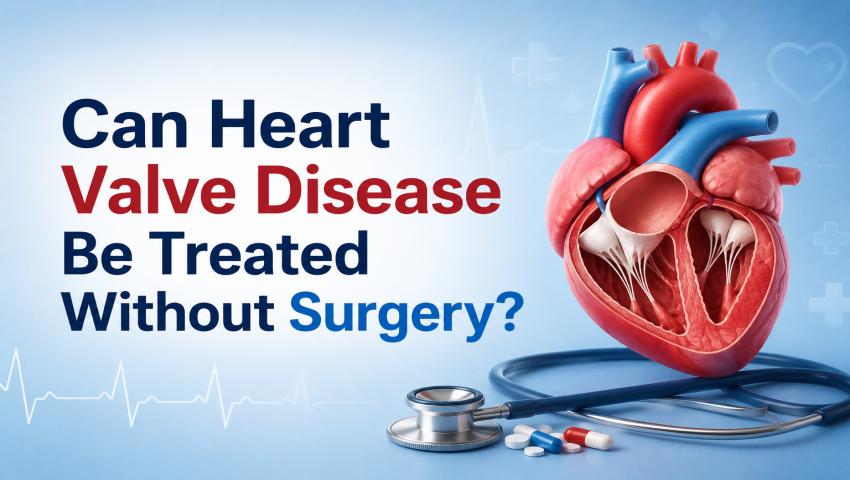
To understand the condition, we must first look at how the heart functions. The heart has four valves: the tricuspid, pulmonary, mitral, and aortic valves. These valves act like one-way doors, keeping blood flowing in the correct direction.
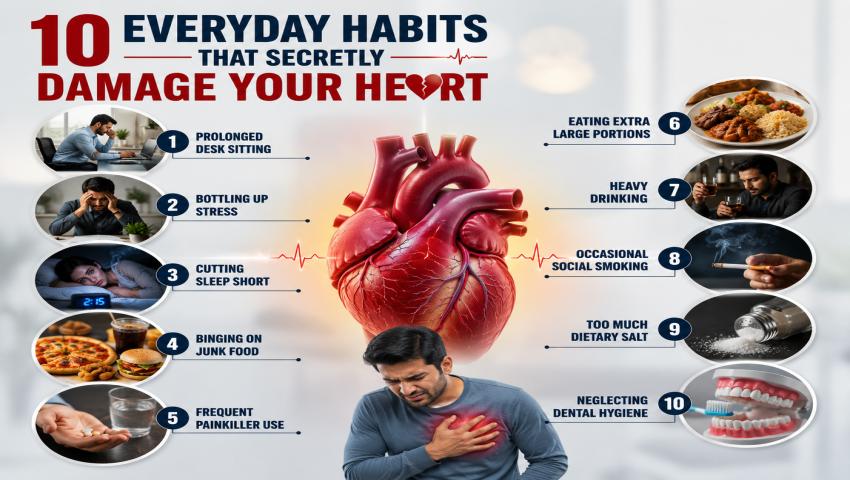
Your heart is a hard-working muscle that pumps blood continuously. It adapts to how you treat your body every single day. When looking closely at 10 Everyday Habits That Secretly Damage Your Heart, it becomes clear that consistent exposure...
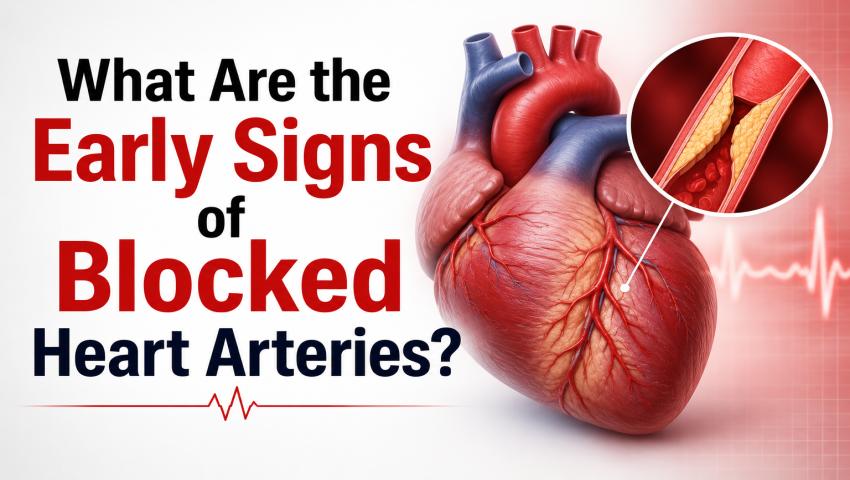
Blocked heart arteries occur when the blood vessels supplying oxygen-rich blood to the heart become narrowed or blocked. This condition is commonly known as coronary artery disease.
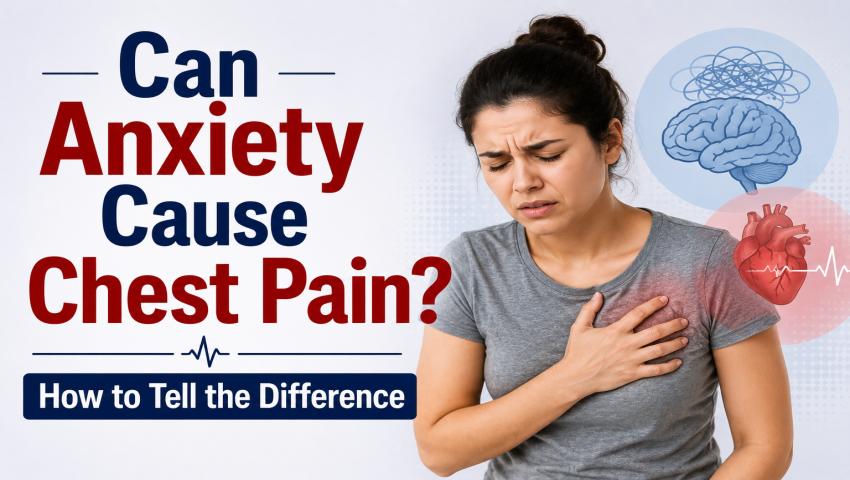
Yes, anxiety can cause chest pain. During periods of stress, anxiety, or panic attacks, the body releases stress hormones. These hormones can increase heart rate, tighten chest muscles, and change breathing patterns.
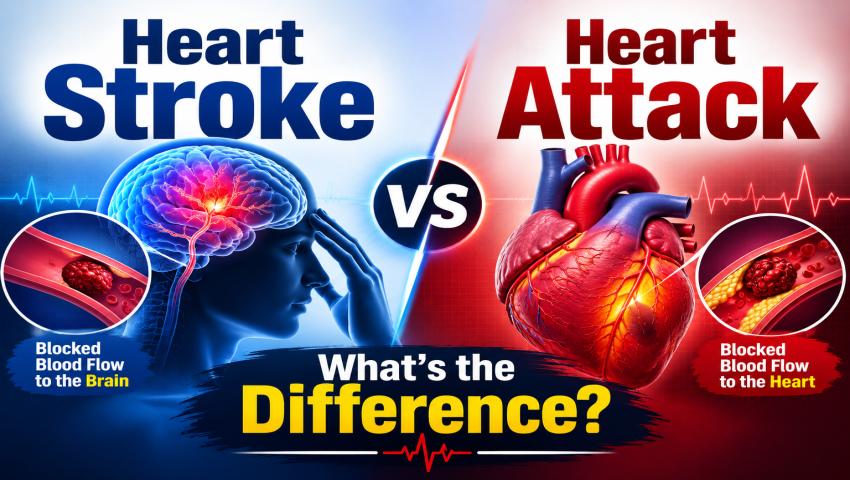
A heart attack occurs when blood flow to a part of the heart is blocked. This usually happens because of plaque buildup and blood clots in the coronary arteries.
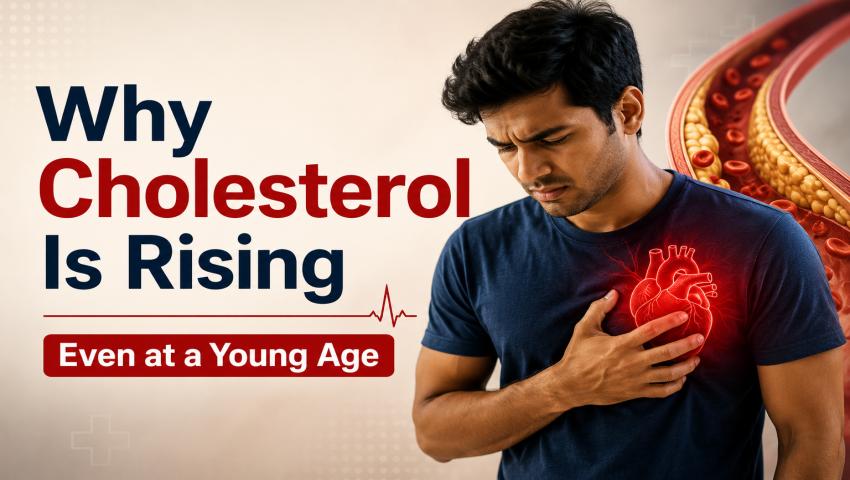
Cholesterol is a fatty substance present in the blood. It is essential for hormone production and cell function. However, excess cholesterol, especially LDL (Low-Density Lipoprotein) (bad cholesterol), can accumulate in blood vessels and form plaques. Over time, this leads...
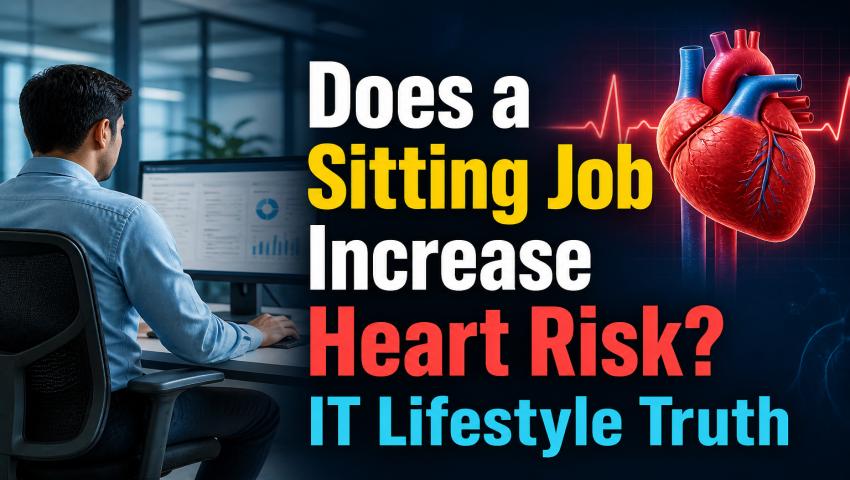
When you sit continuously for many hours, your body goes into a low-energy, inactive state. Muscles, especially in the legs and core, remain unused, and the body starts slowing down important functions.
When people say their heart skipped a beat, the heart usually does not actually stop beating. Instead, it indicates a temporary disturbance in the heart rhythm.
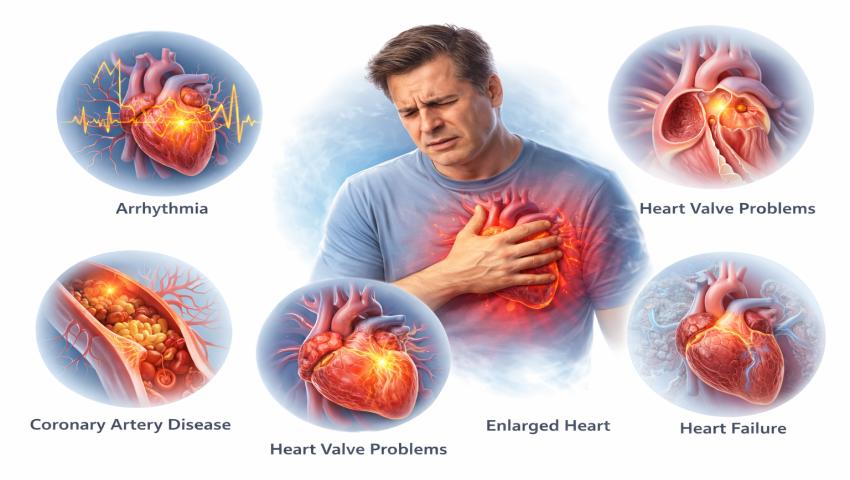
Silent heart conditions are cardiovascular problems that do not show clear symptoms in the early stages. A person may feel completely healthy even though the heart is gradually being affected.