


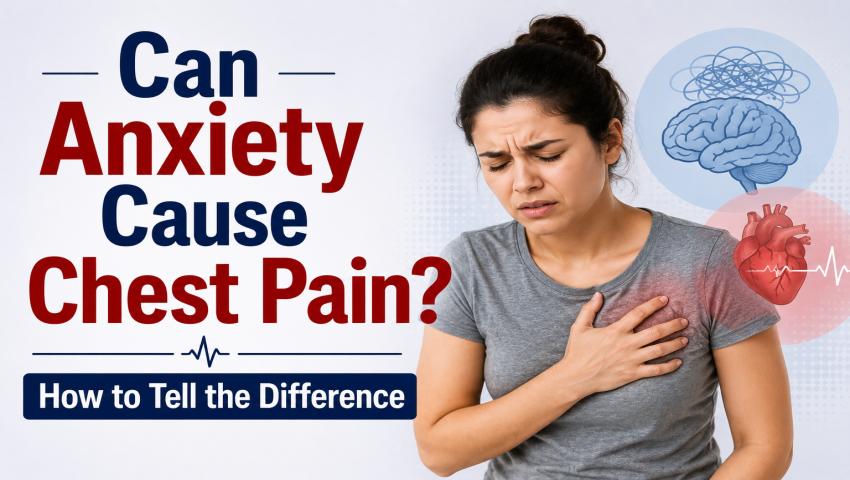
Chest pain can be alarming. For many people, the first thought is a heart attack. However, not all chest pain is caused by a heart problem. Anxiety is another common cause of chest discomfort. This often leads people to ask, can anxiety cause chest pain?
The answer is yes. Anxiety can trigger physical symptoms that closely resemble heart-related chest pain. Understanding the difference is important because some types of chest pain require immediate medical attention.
According to Trusted Cardiologist in Pune – Dr. Kartik Bhosale, identifying the cause of chest pain early can help prevent complications and provide peace of mind. Dr. Kartik Bhosale is one of the Best Interventional Cardiologists in Pune and is known for his expertise in diagnosing and treating various heart conditions.
Can Anxiety Cause Chest Pain?
Yes, anxiety can cause chest pain. During periods of stress, anxiety, or panic attacks, the body releases stress hormones. These hormones can increase heart rate, tighten chest muscles, and change breathing patterns.
As a result, people may experience:
- Chest tightness
- Sharp chest pain
- Burning sensation
- Rapid heartbeat
- Shortness of breath
Many patients wonder, can anxiety cause chest pain everyday? In some cases, frequent anxiety can lead to recurring chest discomfort, especially if stress remains unmanaged.
What Does Anxiety Chest Pain Feel Like?
Anxiety-related chest pain can feel different from person to person.
Common symptoms include:
- Sharp or stabbing pain
- Tightness across the chest
- Burning sensation
- Increased heart rate
- Feeling of panic or fear
Some individuals ask, can anxiety cause chest pain on left side? Yes, anxiety-related pain can occur on the left side, right side, or even across the entire chest.
Others may ask, can anxiety cause chest pain in the middle? The answer is also yes. Anxiety can cause discomfort in the centre of the chest, making it difficult to distinguish from heart-related pain. The symptoms often appear during periods of emotional stress but may also occur unexpectedly.
What Does Heart-Related Chest Pain Feel Like?
Heart-related chest pain is often different from anxiety-related discomfort.
Common symptoms include:
- Pressure or heaviness in the chest
- Tightness that worsens with activity
- Pain spreading to the arm, jaw, neck, shoulder, or back
- Shortness of breath
- Sweating
- Dizziness
Heart-related symptoms may not improve with relaxation and often require immediate medical evaluation.
Best Cardiologist in Pune – Dr. Kartik Bhosale advises that any unexplained chest pain should be evaluated, particularly in people with risk factors such as diabetes, high blood pressure, or high cholesterol.
Anxiety Chest Pain vs Heart-Related Chest Pain: Key Differences
Understanding can anxiety cause chest pain? how to tell the difference is one of the most common concerns among patients.
Anxiety-related chest pain often:
- Starts during emotional stress
- Feels sharp or stabbing
- Lasts for a few minutes to hours
- Improves with relaxation
Heart-related chest pain often:
- Feels like pressure or squeezing
- May occur during physical activity
- Can spread to other body parts
- May be associated with sweating and breathlessness
However, symptoms can overlap. Therefore, self-diagnosis should be avoided.
When Chest Pain Could Be a Sign of a Heart Problem?
Chest pain should never be ignored if it is accompanied by:
- Breathlessness
- Excessive sweating
- Dizziness
- Pain radiating to the jaw or arm
- Sudden weakness
These symptoms may indicate a serious cardiac condition.
As an experienced Best Interventional Cardiologist in Pune, Dr. Kartik Bhosale frequently emphasizes the importance of early evaluation for chest pain that is persistent or worsening.
Risk Factors for Heart Disease:
Certain factors increase the likelihood that chest pain may be heart-related.
These include:
- High blood pressure
- Diabetes
- High cholesterol
- Smoking
- Obesity
- Physical inactivity
- Family history of heart disease
- Chronic stress
People with these risk factors should be particularly cautious when experiencing chest discomfort.
How Doctors Diagnose the Cause of Chest Pain?
To determine whether chest pain is caused by anxiety or a heart condition, doctors may recommend:
- Detailed medical history
- Physical examination
- ECG
- 2D Echo
- Stress Test (TMT)
- Blood tests
These investigations help identify whether the symptoms are cardiac or non-cardiac in origin. According to Heart Care Specialist in Pune – Dr. Kartik Bhosale, proper diagnosis is essential because anxiety and heart disease can sometimes produce similar symptoms.
What Should You Do If You Experience Chest Pain?
If you experience chest pain:
- Stay calm
- Stop physical activity
- Observe associated symptoms
- Seek medical attention if symptoms persist
You should seek emergency care immediately if chest pain is accompanied by:
- Severe breathlessness
- Sweating
- Fainting
- Pain spreading to the arm or jaw
Prompt treatment can be life-saving.
Can Anxiety and Heart Disease Occur Together?
Yes. Anxiety and heart disease can occur together.
Some people with heart disease develop anxiety because of concerns about their health. Similarly, chronic anxiety may worsen certain cardiovascular risk factors. This is why doctors do not assume that chest pain is caused by anxiety alone without proper evaluation.
Many patients ask, can anxiety cause chest pain even when not anxious? The answer is yes. Anxiety can leave lingering physical effects on the body, causing symptoms even when a person does not feel actively stressed.
Tips to Reduce Anxiety and Protect Heart Health:
Simple lifestyle changes can help improve both mental and heart health.
These include:
- Regular exercise
- Healthy diet
- Adequate sleep
- Meditation and relaxation techniques
- Avoiding tobacco
- Limiting alcohol
- Regular health check-ups
Maintaining a healthy lifestyle can reduce the risk of both anxiety-related symptoms and cardiovascular disease.
When Should You Consult a Cardiologist?
Consult a cardiologist if you experience:
- Recurring chest pain
- Chest pain during exercise
- Breathlessness
- Palpitations
- Dizziness
- Multiple heart disease risk factors
Best Heart Specialist in Pune – Dr. Kartik Bhosale recommends early evaluation because timely diagnosis often leads to better outcomes and peace of mind.
Conclusion:
So, can anxiety cause chest pain? Yes, it can. Anxiety may cause chest tightness, sharp pain, rapid heartbeat, and other symptoms that resemble heart disease. However, it is important to remember that chest pain can also indicate a serious heart condition.
Understanding can anxiety cause chest pain? how to tell the difference can help you make informed decisions about your health. If symptoms are persistent, severe, or associated with breathlessness, sweating, or dizziness, medical evaluation should not be delayed.
For accurate diagnosis and expert heart care, consulting Best Heart Doctor in Pune – Dr. Kartik Bhosale, one of the leading Interventional Cardiologists in Pune, can help determine the cause of chest pain and ensure appropriate treatment.
FAQs About Can Anxiety Cause Chest Pain:
Yes. Anxiety can cause chest tightness, sharp pain, rapid heartbeat, and shortness of breath.
Anxiety-related pain is often linked to stress and may improve with relaxation, while heart-related pain frequently feels like pressure and may worsen with activity.
You should seek immediate medical care if chest pain is associated with breathlessness, sweating, dizziness, or pain spreading to the arm or jaw.
Yes. Anxiety and heart disease can coexist, which is why professional evaluation is important whenever chest pain occurs.