


Modern professional life is fast-paced. Long working hours, constant deadlines, limited physical activity, and irregular eating habits have become increasingly common, particularly among corporate employees and IT professionals. While career growth is important, neglecting health can silently increase the risk of heart disease.
Heart problems are now common among professionals in their 30s and 40s. Small changes like consistent healthy habits can greatly lower risk, according to Dr. Kartik Bhosale, a cardiologist in Pune.
Below are practical and effective heart health tips that busy professionals can easily follow.
Avoid Sitting for Long Continuous Hours:
Most professionals spend 8 to 10 hours sitting at a desk or working on a computer. Prolonged sitting slows metabolism and reduces blood circulation, which increases the risk of heart disease.
To reduce this risk:
- Take a 5-minute walking break every hour.
- Use stairs instead of elevators whenever possible.
- Stretch your body during work breaks.
Move throughout the day to boost circulation and heart function.
Prioritize Regular Physical Activity:
Exercise is one of the most powerful ways to protect the heart. It improves blood circulation, lowers blood pressure, and helps maintain a healthy weight.
Busy professionals can start with:
- 30 minutes of brisk walking daily
- Cycling or light jogging
- Yoga or stretching exercises
You do not need intense workouts. Consistency is more important than intensity.
Manage Stress Effectively:
Work-related stress is one of the major contributors to heart problems. Chronic stress increases blood pressure and raises the level of harmful stress hormones in the body.
Some simple ways to manage stress include:
- Deep breathing exercises
- Meditation for 10–15 minutes daily
- Taking short breaks during work
- Maintaining work-life balance
According to Dr. Kartik Bhosale, a trusted heart specialist in Pune, controlling stress is just as important as controlling cholesterol or blood pressure.
Maintain a Heart-Healthy Diet:
Busy schedules often lead professionals to depend on fast food, packaged snacks, and sugary drinks. Over time, these dietary habits can increase cholesterol and triglyceride levels.
Heart-friendly eating habits include:
- Eating more fruits and vegetables
- Choosing whole grains instead of refined carbohydrates
- Reducing salt intake
- Limiting fried and processed foods
Planning meals can help professionals avoid unhealthy food choices.
Get Enough Quality Sleep:
Sleep plays a critical role in heart health. Lack of sleep increases the risk of high blood pressure, obesity, and diabetes, all of which affect the heart.
Adults should aim for 7–8 hours of quality sleep every night. Avoid late-night screen exposure and caffeine before bedtime to improve sleep quality.
Avoid Smoking and Limit Alcohol:
Smoking damages blood vessels and accelerates the development of heart disease. Even occasional smoking can increase the risk of a heart attack.
Similarly, excessive alcohol consumption can raise blood pressure and contribute to heart rhythm disorders. Limiting or avoiding these habits is essential for long-term heart health.
Monitor Blood Pressure and Cholesterol:
Many heart conditions develop silently without noticeable symptoms. Regular health check-ups help detect problems early.
Professionals should monitor:
- Blood pressure
- Cholesterol levels
- Blood sugar levels
- Body weight
Early detection allows timely treatment and prevents serious complications.
Do Not Ignore Warning Signs:
Sometimes the body gives subtle signals that something may be wrong with the heart. These symptoms should never be ignored.
Warning signs include:
- Chest discomfort or heaviness
- Shortness of breath during activity
- Frequent fatigue
- Palpitations or irregular heartbeat
Consulting an experienced cardiologist in Pune, like Dr. Kartik Bhosale, can help identify the cause and prevent further complications.
Schedule Preventive Heart Check-Ups:
Preventive cardiology focuses on identifying risk factors before they lead to serious disease. Regular heart screening is especially important for professionals with:
- Family history of heart disease
- High blood pressure
- Diabetes
- Obesity or a sedentary lifestyle
Early evaluation by a heart specialist can significantly reduce long-term heart risks.
Conclusion:
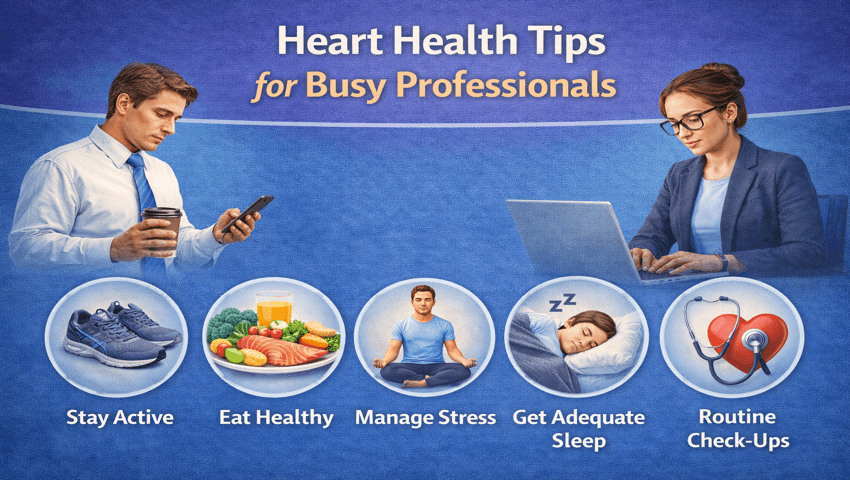
In today’s demanding professional environment, maintaining heart health requires conscious effort. Small lifestyle improvements, such as regular exercise, healthy eating, proper sleep, and stress management, can greatly reduce the risk of heart disease.
According to Dr. Kartik Bhosale, making heart-healthy choices every day is the most effective way to protect long-term well-being. Busy professionals should remember that career success is meaningful only when supported by good health.
Taking a few steps today can ensure a stronger and healthier heart for years to come.