

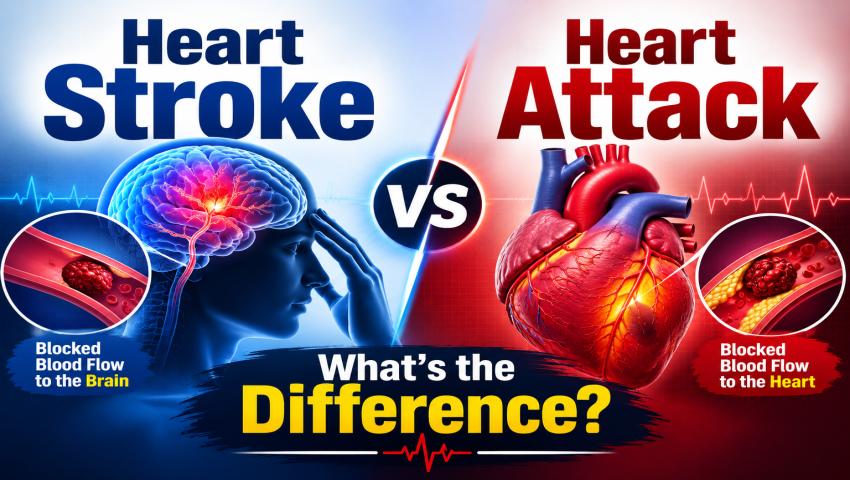
Many people use the terms Heart Stroke vs Heart Attack interchangeably. However, they are two different medical emergencies that affect different organs of the body. Understanding the stroke vs heart attack difference can help you recognize symptoms early and seek immediate treatment.
A heart attack affects the heart, while a stroke affects the brain. Both conditions can be life-threatening if not treated quickly. Knowing the warning signs and risk factors can save lives.
According to the Best Cardiologist in Pune – Dr. Kartik Bhosale, early diagnosis and timely treatment play a crucial role in preventing serious complications from both heart attacks and strokes.
What Is a Heart Attack?
A heart attack occurs when blood flow to a part of the heart is blocked. This usually happens because of plaque buildup and blood clots in the coronary arteries.
When the heart muscle does not receive enough oxygen-rich blood, it begins to get damaged. Immediate medical attention is necessary to restore blood flow and prevent permanent injury to the heart.
Many people searching for stroke vs heart attack are surprised to learn that heart attacks primarily affect the heart muscle and not the brain.
What Is a Stroke?
A stroke occurs when the blood supply to a part of the brain is interrupted. Without oxygen and nutrients, brain cells begin to die within minutes.
There are two main types of stroke:
- Ischemic stroke (caused by a blockage)
- Hemorrhagic stroke (caused by bleeding in the brain)
Understanding heart stroke causes is important because uncontrolled blood pressure, diabetes, smoking, and cholesterol can significantly increase the risk.
Heart Stroke vs Heart Attack: Key Differences
When discussing the stroke vs heart attack difference, the major distinctions include:
Symptoms of a Heart Attack:
Recognizing the symptoms of a heart attack can help save lives.
Common symptoms include:
Chest pain or pressure
Tightness in the chest
Shortness of breath
Pain in the left arm
Pain in the jaw, neck, shoulder, or back
Cold sweats
Nausea
Dizziness
Some patients experience mild symptoms, while others have severe chest discomfort. According to Dr. Kartik Bhosale , one of the leading interventional cardiologists in Pune, chest pain should never be ignored, especially when accompanied by breathlessness or sweating.
Symptoms of a Stroke:
Identifying heart stroke symptoms early is equally important.
Common warning signs include:
- Sudden facial drooping
- Weakness in one arm or leg
- Difficulty speaking
- Slurred speech
- Sudden confusion
- Vision problems
- Loss of balance
- Severe headache
The FAST rule can help identify a stroke:
- F – Face drooping
- A – Arm weakness
- S – Speech difficulty
- T – Time to seek emergency medical care
Immediate treatment can significantly reduce long-term disability.
Common Risk Factors Between Heart Attack and Heart Stroke:
Heart attacks and strokes share several common risk factors.
These include:
- High blood pressure
- Diabetes
- High cholesterol
- Smoking
- Obesity
- Physical inactivity
- Excessive stress
- Family history of heart disease
Managing these risk factors can lower the chances of developing serious cardiovascular problems. Best Heart Specialist in Pune – Dr. Kartik Bhosale emphasizes regular health check-ups for individuals with multiple risk factors.
How to Reduce the Risk of Heart Attack and Stroke?
The good news is that many cases can be prevented through lifestyle changes.
Some important preventive measures include:
- Maintain healthy blood pressure levels
- Control diabetes effectively
- Follow a heart-healthy diet
- Exercise regularly
- Avoid smoking and tobacco
- Limit alcohol consumption
- Maintain a healthy weight
- Manage stress
- Get regular cardiac check-ups
Patients with existing heart disease should strictly follow their doctor’s advice and medication schedule.
When Should You Seek Immediate Medical Help?
You should seek emergency medical attention if you experience:
Possible Heart Attack Symptoms:
- Sudden chest pain
- Severe breathlessness
- Pain spreading to the arm or jaw
- Excessive sweating
Possible Stroke Symptoms:
- Sudden weakness on one side
- Difficulty speaking
- Sudden vision loss
- Loss of balance
Quick treatment can reduce complications and improve survival rates.
As the best heart surgeon in Pune – Dr. Kartik Bhosale often advises, never wait for symptoms to improve on their own during a suspected heart attack or stroke.
About Heart Specialist Dr. Kartik Bhosale:
Dr. Kartik Bhosale is one of the Best Interventional Cardiologists in Pune. He has completed his MBBS from Seth G. S. Medical College and KEM Hospital, Mumbai, followed by MD Medicine and DM Cardiology from PGIMER and Dr. Ram Manohar Lohia Hospital, New Delhi. He has been awarded a Gold Medal in Cardiology and is known for his expertise in advanced cardiac care and preventive cardiology.
Conclusion:
Understanding Heart Stroke vs Heart Attack is essential because both conditions require immediate medical attention. While a heart attack affects the heart and a stroke affects the brain, both can lead to severe complications if treatment is delayed. Knowing the heart stroke symptoms, heart stroke causes, and symptoms of a heart attack can help you act quickly during an emergency. For people wondering heart attack vs stroke, which is worse, the reality is that both are serious and potentially life-threatening conditions.
Regular health check-ups, healthy lifestyle habits, and early medical intervention can significantly reduce the risk. If you have risk factors such as high blood pressure, diabetes, or cholesterol issues, consulting the best cardiologist in Pune, Dr. Kartik Bhosale can help you protect your heart and overall cardiovascular health.
FAQs Related To Heart Stroke And Heart Attack:
No. A heart attack affects the heart, while a stroke affects the brain.
Both are medical emergencies and can be fatal if not treated promptly.
Yes. High blood pressure is one of the biggest risk factors for both heart attacks and strokes.
Control blood pressure, manage diabetes, exercise regularly, eat a healthy diet, avoid smoking, and get regular health check-ups.