

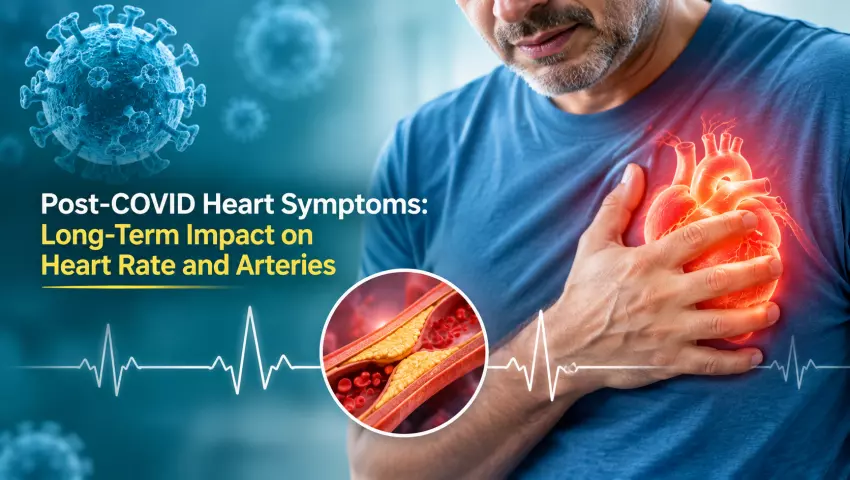
Recovering from COVID-19 usually takes a few weeks. However, many people still feel Post-COVID Heart Symptoms long after their test turns negative. Understanding how this virus can affect your heart—and consulting an experienced Heart Specialist in Pune when warning signs appear—helps you stay safe and healthy.
How COVID-19 Affects the Cardiovascular System?
COVID-19 is mainly a lung infection, yet it can trigger temporary inflammation inside the whole body. When the virus enters your system, your immune response fights it hard. In some individuals, this reaction can irritate the heart muscle and blood vessels, potentially contributing to post covid heart disease. Navigating these Post-COVID Heart Symptoms requires careful attention to how your body feels every single day.
Common Heart Symptoms Experienced After COVID-19:
Many people feel uncomfortable changes in their chest during normal daily work after recovery. Noticing these post covid cardiac symptoms early helps you get the right care on time:
- Fast or uneven heartbeat: A sudden feeling that your heart is racing, fluttering, or skipping a beat.
- Breathlessness: Feeling out of breath after climbing a few stairs or walking a short distance.
- Extreme tiredness: Heavy fatigue that does not go away even after a full night’s sleep.
- Chest discomfort: Mild tightness, heaviness, or pain in the chest area, which should be evaluated by a trusted Chest Pain Specialist in Pune.
- Dizziness: Feeling lightheaded, especially when you stand up quickly from a chair or bed.
Long-Term Effects of COVID-19 on Heart Rate:
Many people ask their doctors, Can COVID affect your heart rate for a long time? While it rarely causes permanent rhythm damage, the virus can temporarily disturb the body’s autonomic nervous system, which controls your breathing and pulse. Because of this, your heart may beat faster than normal even when you are sitting quietly.
For some people, standing up makes their heart rate jump suddenly. According to Dr. Kartik Bhosale, known as the Best Cardiologist in Pune, most heart rate changes improve steadily over a few months with good water intake and slow, guided rest. Monitoring these persistent Post-COVID Heart Symptoms helps doctors find the right treatment plan for your recovery.
Impact of COVID-19 on Arteries and Blood Circulation:
Besides changing your heartbeat, the virus can temporarily irritate the smooth inner walls of your blood vessels. When these walls become inflamed, blood vessels may temporarily tighten and lose some flexibility, slowing down smooth blood flow.
While COVID-19 does not automatically cause permanent artery damage in everyone, prolonged inflammation in high-risk individuals may contribute to plaque progression, increasing the risk of post covid coronary artery disease. Slower circulation can also make blood slightly more prone to clotting. If doctors suspect a significant narrowing in these vessels, they may recommend Angiography in Pune to check the exact condition of your arteries.
Cardiovascular Complications Associated with Long COVID:
When health issues last for more than three months, doctors call it Long COVID. Although most patients recover without lasting harm, unmonitored inflammation can occasionally lead to post covid heart problems that need proper medical care:
- Heart muscle swelling (Myocarditis): Temporary inflammation in the heart walls that can make pumping blood harder.
- Heart lining swelling (Pericarditis): Irritation in the thin cover around the heart, which causes sharp chest pain.
- Irregular heartbeat (Arrhythmias): A pulse that beats too fast, too slow, or out of rhythm. In rare cases where the heart’s electrical system slows down significantly, doctors may advise Pacemaker Implantation in Pune to keep the rhythm steady.
- Sudden heart blockage: An elevated risk of a post covid heart attack, mainly in people who already have underlying conditions like diabetes or high blood pressure, which sometimes requires timely Angioplasty in Pune to restore normal blood flow.
Heart Tests to Evaluate Post-COVID Cardiovascular Symptoms:
If your chest discomfort or fast pulse does not stop, simple heart tests give clear answers. When you visit an experienced doctor like Dr. Kartik Bhosale, one of the best interventional cardiologists in Pune, he usually suggests a few basic checks:
- ECG (Electrocardiogram): A quick test that checks the electrical signals of your heartbeat.
- 2D Echo: Booking a 2D Echo Test in Pune shows how strongly your heart is pumping blood.
- Holter Test: A small wearable machine that records your heartbeat for 24 to 48 hours at home.
- Treadmill Test (TMT): A walking Stress Test in Pune checks how your heart handles light exercise.
- Blood Tests: Simple blood checks to look for hidden inflammation or clotting markers.
For patients who need a closer look at heart valve movement and blood flow, doctors also rely on detailed Echocardiography In Pune to rule out subtle muscle weakness.
How to Maintain Heart Health After COVID-19?
Your heart needs time and patience to regain its full strength after a viral illness. Pushing yourself into heavy workouts too early can slow down your healing. Dr. Kartik Bhosale—who completed his MBBS from Seth G. S. Medical College and KEM Hospital, Mumbai, and MD Medicine and DM Cardiology from PGIMER, Dr. Ram Manohar Lohia Hospital, New Delhi—suggests following simple daily habits:
- Walk slowly at first: Start with a gentle 15-minute walk and increase your speed only when your body feels ready.
- Drink enough water: Stay well-hydrated throughout the day to keep your blood pressure steady.
- Eat simple, healthy food: Include fresh vegetables, fruits, whole grains, and nuts while cutting down on excess salt and fried items.
- Sleep well: Get 7 to 8 hours of peaceful sleep every night so your body can repair itself.
- Check your pulse: Keep a simple note of your resting heart rate and blood pressure at home.
When to Consult a Cardiologist for Post-COVID Heart Symptoms?
Mild tiredness often goes away on its own, yet some warning signs need fast medical help. Do not wait if you feel chest pain spreading to your arm or jaw, severe trouble breathing while resting, or sudden fainting.
Meeting the Best Cardiologist in Pune, Dr. Kartik Bhosale—a Gold Medalist in Cardiology and a member of the Cardiological Society of India (MCSI)—helps catch issues early before they turn serious. Timely care from a trusted Interventional Cardiologist in Pune protects your heart and helps you return to normal life safely.
Conclusion: Importance of Long-Term Heart Health Monitoring
Dealing with Post-COVID Heart Symptoms can feel stressful when you just want to feel normal again. Most pulse and blood flow changes are temporary and improve steadily with the right care and patience. Regular check-ups, healthy daily habits, and timely advice from a senior Cardiologist in Pune like Dr. Kartik Bhosale will keep your heart safe for years ahead.
FAQs About Post-COVID Heart Symptoms:
Yes, in some cases. Many people wonder, can COVID cause heart problems years later or several months after testing negative? Research suggests that lingering inflammation in the blood vessels can occasionally trigger post covid cardiac symptoms months after recovery, though most cases remain manageable with timely medical care.
A sudden jump in pulse usually happens because the virus temporarily disturbs the nerves that control your heartbeat. Dehydration and general body weakness after illness also cause your heart to pump faster to circulate oxygen.
Yes, temporarily. COVID-19 can irritate the inner lining of blood vessels, making blood cells more likely to clump together during and shortly after recovery, particularly in individuals with existing risk factors.
After a viral illness, your body loses some of its natural stamina. When you walk fast or exercise, your muscles need more oxygen, so a recovering heart beats faster to keep up. Consulting a specialist like Dr. Kartik Bhosale—who holds a DrNB in Cardiology and is a member of the Society of Cardiovascular Angiography and Intervention (AMSCAI)—helps you know how much exercise is safe for you.
Yes. Even people who had a mild fever or cough at home can occasionally experience post covid heart problems. How mild or severe your initial fever was does not always determine how your heart and blood vessels respond during recovery. Managing these Post-COVID Heart Symptoms early ensures a safer and faster return to normal health.